
Did you know that 80% of commercial garage door failures could be prevented with regular maintenance?
The good news? There’s a smarter way to handle this.
Here in Sutherland Shire, we’re dealing with unique challenges that make regular maintenance even more important. The salt air from Cronulla can corrode metal components faster than you’d expect. Summer heatwaves cause metal expansion that throws off door balance. And those severe storms that roll through during east coast lows? They put stress on every component of your door system.
In this guide, you’re gonna learn exactly how often your commercial garage door needs maintenance – and yeah, we’ll cover residential properties too, because the principles are similar but the schedules are different. We’ll break down what needs checking monthly, what requires quarterly professional attention, and what should happen during your annual comprehensive service. You’ll also see the real numbers on why preventative maintenance saves you money, and we’ll get into industry-specific requirements because a car wash door has very different needs than a retail shopfront.
Whether you’re looking at high-traffic commercial doors that cycle 50+ times a day or a home garage that opens a handful of times, understanding your maintenance schedule is the difference between planned, affordable upkeep and panic-inducing emergency repairs.

Understanding Commercial vs. Residential Garage Door Maintenance Needs
Here’s something most people don’t realize until it’s too late – your garage door is probably the hardest-working moving part of your entire property. And the maintenance it needs depends almost entirely on how much work you’re asking it to do.
Key Differences in Maintenance Requirements
When we’re talking about commercial versus residential garage doors, we’re really talking about two different animals. Your home garage door might open and close 5 or 6 times a day – you leave for work, come home, maybe run an errand or two. That’s roughly 1,500 to 2,000 cycles per year. Not too shabby, right?
Now compare that to a loading dock at a Kirrawee warehouse. That door could be cycling 50 to 100 times every single day. We’re talking 20,000 to 30,000 cycles annually. That’s more than 10 times the wear and tear.
Commercial doors are also built heavier. They’ve got thicker panels, stronger springs, and more robust operator systems. All that extra weight and power means there’s more that can go wrong, and when something does fail, it fails bigger. A residential garage door spring breaking is annoying. A commercial door spring snapping on a loading dock during peak hours? That’s a business crisis.
The materials matter too. Most residential doors in Sutherland Shire are steel or aluminum with some insulation. Commercial doors might be the same, but they’re often dealing with different environmental factors – constant air conditioning in retail spaces, temperature swings in warehouses, or chemical exposure in car washes. Each of these situations changes what the door needs to stay functional.
Usage Cycles: The Primary Determining Factor
If there’s one thing that determines your maintenance schedule more than anything else, it’s usage cycles. Think of it like a car – the more kilometers you put on it, the more often it needs servicing.
For residential properties across Cronulla, Miranda, and the rest of the Shire, you’re typically looking at 3 to 8 cycles per day. That’s pretty standard for families with two cars, school runs, and weekend activities. At that rate, annual or bi-annual professional maintenance is usually enough, as long as you’re doing basic monthly checks yourself.
Commercial doors start at moderate usage – maybe 20 cycles per day for a small office building or retail space. These need quarterly professional inspections at minimum.
Then you’ve got high-traffic situations. Logistics centers, parking garages, fire stations where reliability isn’t just convenient but actually critical – these doors are opening and closing 50, 75, even 100+ times every single day. For these applications, monthly professional maintenance isn’t overkill. It’s the only way to prevent catastrophic failures.
The operator systems are different too. Residential openers are designed for intermittent use. Commercial operators are built for continuous duty cycles, but that also means they need more frequent calibration and adjustment. The force settings that were perfect six months ago might be completely off now after thousands of additional cycles.
Here’s what a lot of people miss – even if you’ve got a commercial-grade door on your home (maybe you’ve got a workshop or you’re running a home business), you still need to think about your actual usage. A home-based tradesman who’s in and out of the garage 20 times a day needs closer to commercial maintenance schedules, not residential ones.
The same goes the other way. A small office in Gymea that only opens their garage door twice a day to let staff in and out? That’s closer to residential usage, even though it’s technically a commercial property.
Bottom line – count your cycles, or at least estimate them honestly. That number tells you more about your maintenance needs than whether the door is labeled “commercial” or “residential.”
Monthly Safety Checks and Visual Inspections
Look, I get it – you’re busy running a business or managing your property. The last thing you want to add to your monthly to-do list is inspecting your garage door. But here’s the thing: spending 15 minutes once a month can save you from a total nightmare down the road.

Monthly Visual Inspection Checklist for Business Owners
These are the checks you can do yourself without calling in a professional. Grab a flashlight, maybe a cup of coffee, and let’s walk through what you need to look at.
Start with the springs. These are the tightly wound coils usually mounted above your door. You’re not touching them – never touch the springs yourself – but you’re looking for gaps in the coils, rust, or any visible damage. If the spring looks stretched out or you can see separation between the coils, that’s your warning sign.
Check the cables next. These run along the sides of your door, and they’re under serious tension. Look for fraying, broken strands, or rust. If you see any cable starting to unwind or fray, don’t use the door until a professional checks it. I’ve seen cables snap, and trust me, you don’t want to be anywhere near when that happens.
Rollers and tracks are your next stop. The rollers should move smoothly without wobbling. Look inside the tracks for debris, dents, or misalignment. In Sutherland Shire, especially the coastal suburbs like Cronulla and Bundeena, you’ll find salt buildup in the tracks. Clean that out monthly or it’ll cause your rollers to bind up.
Listen to your door. Seriously, just stand there and listen while it opens and closes. It should sound relatively smooth – maybe some mechanical noise, but no grinding, scraping, or squealing. If your door sounds angry, something’s wrong.
Test the balance. Disconnect the automatic opener (there’s usually a red handle you pull) and manually lift the door halfway. Let go. It should stay put, maybe drift down slightly. If it crashes down or shoots up, the spring tension is off and needs professional adjustment.
Safety features need testing too. Place a roll of paper towels or a cardboard box in the door’s path and try to close it. The door should reverse immediately when it hits the object. If it doesn’t, your auto-reverse isn’t working and that’s a serious safety issue.
Weatherstripping and seals might seem minor, but here in Sutherland Shire they matter. Check the rubber seal at the bottom of your door and the weatherstripping around the sides. Cracks or gaps mean you’re losing climate control and letting moisture in. During summer storms, bad seals can let water pool in your garage.
Finally, grab some lubricant. You want a silicone-based spray, not WD-40. Hit the rollers, hinges, and the chain or belt on your opener. This takes 5 minutes and prevents so much unnecessary wear.
Warning Signs That Require Immediate Professional Attention
Some things you can monitor yourself. Other things? You need to pick up the phone right away.
Frayed or damaged cables are an emergency. If you spot this during your monthly check, don’t operate the door. A snapping cable can cause serious injury and major property damage.
Visible spring damage is another “stop everything” situation. Springs are under hundreds of pounds of tension. If you see gaps, separation, or obvious wear, call for service same-day.
Jerky or uneven movement means something’s seriously wrong with the balance, tracks, or operator. Your door should glide smoothly. If one side is moving faster than the other or the door’s shaking as it moves, something’s about to fail.
Grinding or scraping sounds usually mean metal-on-metal contact where there shouldn’t be any. Could be misaligned tracks, worn rollers, or damaged hinges. Left alone, this gets expensive fast.
If your door won’t stay in the open position, the springs are done. They’ve lost tension and need replacing. Using the door in this condition puts all the weight on your opener motor, which isn’t designed for that and will burn out.
Slow response time – when you press the button and there’s a delay, or the door moves sluggishly – often points to operator problems or worn components. It’s not an emergency, but it’s telling you something needs attention soon.
Track misalignment is visible – the door won’t sit flush, or you can see gaps between the rollers and track walls. This happens gradually from vibration and use, but it needs professional correction before it causes a derailment.
Simple Safety Tests You Can Perform
Beyond the visual inspection, there’s a couple of quick tests that tell you a lot about your door’s safety systems.
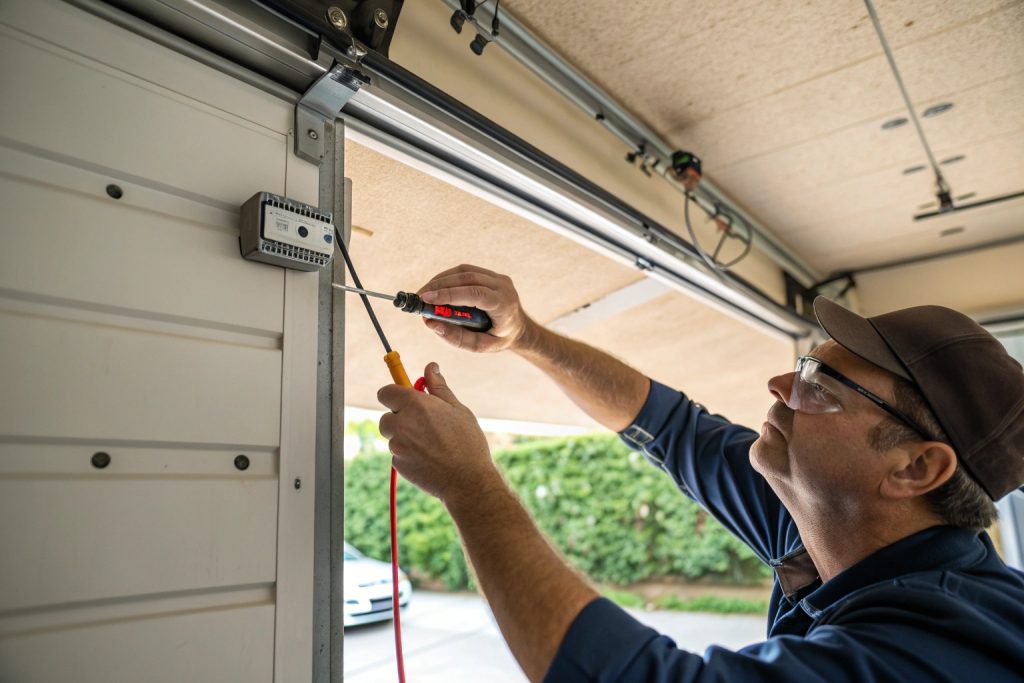
The reversing mechanism test is one we already mentioned, but it’s so important it’s worth repeating. Your door should reverse within 2 seconds of hitting an obstruction. Test this monthly. If you’ve got kids, employees, or anyone who might accidentally get in the door’s path, this feature could literally save their life.
The manual disconnect test – pull that emergency release cord and make sure you can manually operate the door. You might never need this in normal circumstances, but during a power outage or if your opener dies, you need to know the manual operation works. I’ve been called out to properties where the manual release was seized up from years of never being tested.
The manual disconnect test – pull that emergency release cord and make sure you can manually operate the door. You might never need this in normal circumstances, but during a power outage or if your opener dies, you need to know the manual operation works. I’ve been called out to properties where the manual release was seized up from years of never being tested.
Photo-eye sensor alignment – those little sensors on either side of your door near the floor need to “see” each other. Wave your hand between them while the door’s closing. It should stop and reverse immediately. If it doesn’t, the sensors are misaligned or dirty. Clean them with a soft cloth and make sure they’re pointed directly at each other.
For properties right on the coast – I’m talking Cronulla, Bundeena, anywhere with direct salt air exposure – you need to pay extra attention during these monthly checks. Salt accelerates corrosion like crazy. You might find rust forming on springs and hardware way faster than inland properties. After severe weather events (and Sydney’s southern suburbs get hammered pretty regularly), do an extra inspection. Look for water damage, wind damage to panels, or debris that’s gotten into the tracks.
During those extreme summer heatwaves when temperatures hit 35°C or higher, metal expands. Your door might stick or bind when it was working fine in cooler weather. That’s normal to a point, but if it’s struggling badly, you might need adjustment to compensate for the expansion.
One last thing – keep a simple log. Sounds over the top, but just note down when you did your inspection and if you found anything concerning. If you’re managing commercial property or dealing with strata requirements, having this documented maintenance record is valuable. Plus, when you do call for professional service, you can tell the technician exactly what you’ve observed and when the problem started.
Quarterly Professional Inspection Requirements
Monthly checks are great for catching obvious problems, but there’s a whole level of maintenance that needs professional eyes and hands. That’s where quarterly inspections come in – and for commercial properties in Sutherland Shire, this is non-negotiable if you want to avoid costly breakdowns.
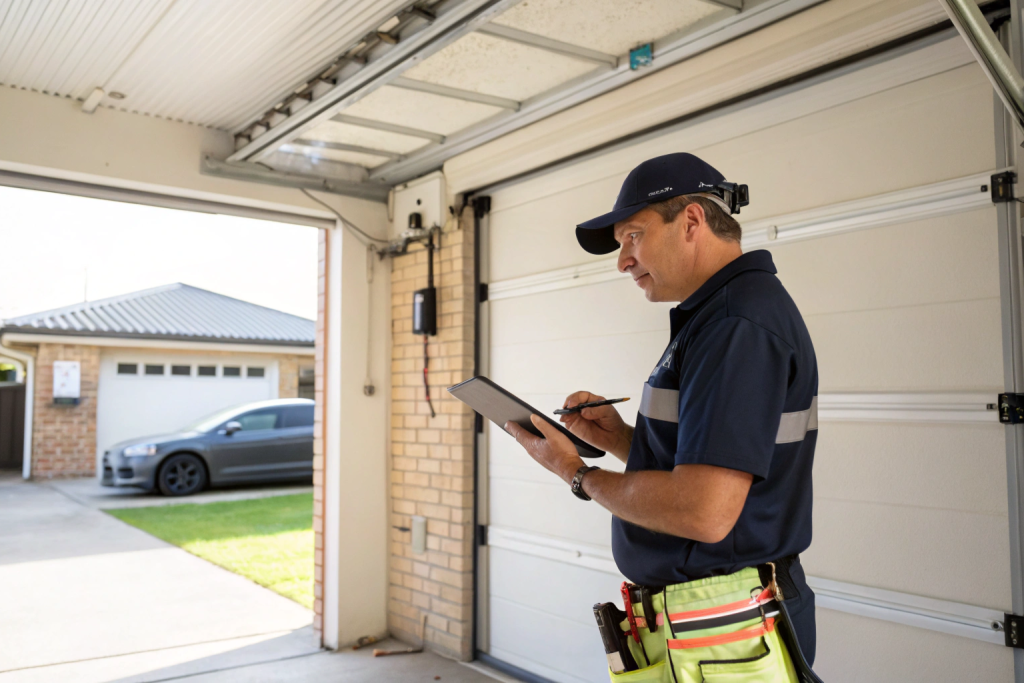
What Professional Technicians Check During Quarterly Service
When we come out for a quarterly service, we’re doing way more than what you can safely or effectively do yourself.
Spring tension testing and adjustment is first on the list. We’ve got the tools and training to measure the exact tension in your springs. Over three months of regular use, springs lose tension gradually. You won’t notice it day-to-day, but we can measure it precisely. We’ll adjust the tension to manufacturer specs, which keeps your door balanced and prevents premature wear on your opener motor.
Cable inspection goes beyond just looking for frays. We’re checking the drum connection, measuring cable wear at stress points, and looking for internal strand damage that’s not visible to the untrained eye. Cables typically last 8 to 12 years, but in high-salt environments around the Shire’s coast, they can degrade faster.
Roller bearing examination means pulling rollers out and checking the bearings inside. These wear out from constant friction. By the time a roller starts obviously squeaking or wobbling, it’s already caused extra wear on your tracks. We catch it earlier and replace rollers before they damage other components.
Track alignment gets verified with levels and measurements. Tracks can shift by just a millimeter or two, and you’d never notice, but it causes uneven wear and increases the load on your operator. We adjust mounting brackets and ensure everything’s perfectly aligned.
Opener force adjustment is something that changes over time. As springs lose tension and components wear, the amount of force your opener needs to lift the door changes. We test and recalibrate this to prevent the motor from working harder than necessary. This extends the life of your opener significantly.
Complete lubrication with professional-grade products. We’re not talking about a quick spray from a can. We use the right lubricants for each component – springs get one type, rollers another, chains need something different than belts. We also know which parts should never be lubricated (like nylon rollers).
Hardware tightening might sound simple, but it matters more than you’d think. Vibration from regular operation loosens bolts and screws constantly. During quarterly service, we go through every bolt, bracket, and hinge, tightening everything to proper torque specifications. Loose hardware accelerates wear across the entire system.
Weatherseal replacement assessment – we check if your seals are still doing their job or if they need replacing. In Sutherland Shire’s climate, with hot summers and occasional heavy rain, seals deteriorate faster than in milder climates.
Safety sensor calibration ensures your photo-eyes are perfectly aligned and responding at the correct sensitivity. We test them under different conditions and adjust as needed.
Control system diagnostics – for modern operators with digital systems, we run diagnostic checks, update firmware if needed, and verify all programmed settings are correct. Remote access systems and smart home integrations get tested too.
The True Cost of Skipping Professional Inspections
Let me hit you with some real numbers, because this is where the decision to skip quarterly service usually gets made.
Average quarterly service runs $150 to $250 depending on your door type and complexity. For a commercial property, that’s $600 to $1,000 annually. Sounds like a lot until you compare it to the alternative.
Emergency repair calls average $400 to $800 for the repair itself. But that’s just the direct cost. For businesses, the real cost is downtime. If your loading dock door fails, you can’t receive shipments. If your retail parking garage door breaks, customers can’t access your store. If you’re running a warehouse, a broken door might shut down your entire operation for a day or more.
We’ve tracked this with our Sutherland Shire commercial clients. Businesses that skip regular maintenance average 2 to 3 emergency calls per year. That’s $800 to $2,400 just in repair costs, plus whatever the downtime costs them. For a retail operation, that could be $500 to $2,000 per day in lost revenue. For logistics companies, it’s often much higher.
Meanwhile, clients on quarterly maintenance programs? They average one emergency situation every 3 to 5 years. The numbers speak for themselves – you’re looking at a 3 to 5 times return on investment just from avoided emergency repairs, and that doesn’t even count the productivity and revenue protection.
Insurance companies know this too. Some commercial policies actually require documented maintenance records. Skip your quarterly inspections and you might find your claim denied when something major fails.
Quarterly Maintenance for Different Business Types
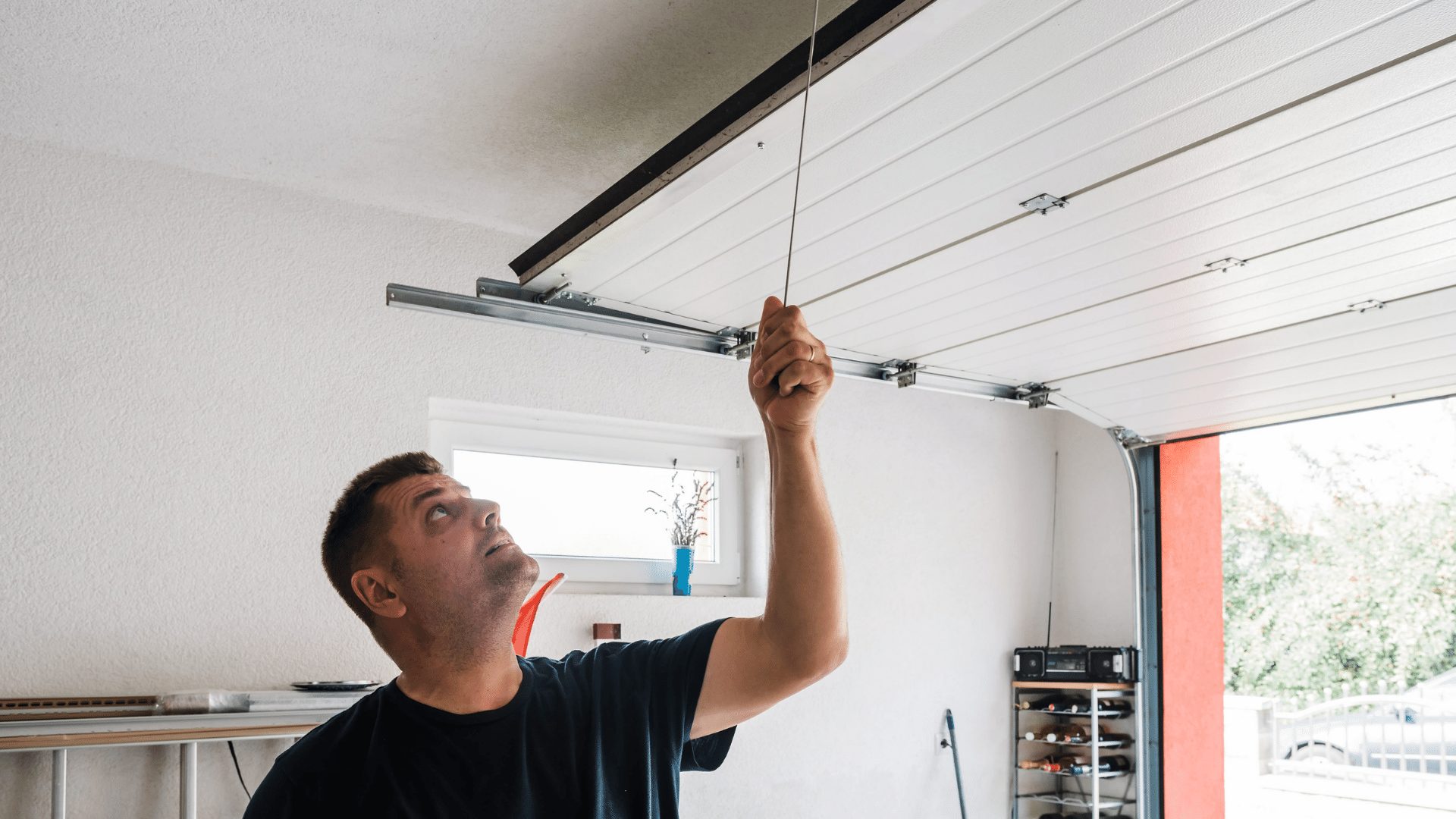
Not every business needs exactly the same quarterly approach. Let’s break it down by industry.
Warehouses and logistics facilities are tough on doors. You’re cycling these doors constantly, often in climate-controlled environments where the door is the main barrier between outside air and your controlled interior. Quarterly service for these operations focuses heavily on operator systems and safety features. We’re checking load ratings, testing emergency stop functions, and making sure nothing’s out of spec. For busy warehouses in Kirrawee or Taren Point, quarterly is actually the minimum – monthly inspections are often better.
Retail and commercial office buildings have different priorities. Yes, functionality matters, but aesthetics matter too. Your garage door is part of your customer-facing property. Quarterly service includes keeping the door looking good – checking for dents, ensuring smooth quiet operation, and making sure automatic features work perfectly every time. Nothing says “unprofessional” like a garage door that groans and shudders when customers are around.
Residential properties with lower usage can often get by with bi-annual professional service instead of quarterly. If you’re a homeowner in Gymea or Caringbah and your door only cycles 5 or 6 times daily, twice a year is usually adequate as long as you’re doing those monthly self-checks we talked about. For average residential use, annual service is the absolute minimum.
The exception? Home-based businesses. If you’re running a trade business out of your home and you’re cycling that door 20+ times a day, you need commercial-level quarterly service even though it’s technically residential property.
Here in Sutherland Shire, we service everything from the industrial facilities in Kirrawee to the retail spaces in Miranda and Caringbah. Each one has different needs, but they all benefit from consistent, scheduled maintenance rather than waiting for something to break.
Annual Comprehensive Maintenance Protocols
Quarterly inspections keep your door running. Annual comprehensive maintenance? That’s when we really dig deep and address everything that doesn’t need attention more frequently but still needs to happen regularly.
Complete Annual Service Breakdown
Think of annual maintenance as a major service for your car versus the regular oil changes. We’re going beyond adjustments and inspections – we’re assessing the lifespan of every major component and planning for the future.
Spring replacement assessment is the big one. Garage door springs have a finite lifespan measured in cycles. Residential springs are typically rated for 10,000 to 20,000 cycles. Commercial springs on high-traffic doors might only last 25,000 to 30,000 cycles despite being built heavier. During annual service, we calculate how many cycles your springs have been through and estimate remaining lifespan. If you’re at 75% of the expected lifecycle, we’re recommending replacement before failure. Replacing springs on your schedule beats emergency replacement at 2 AM – trust me on this.
Full operator system overhaul means we’re opening up the motor housing, checking gears for wear, testing capacitors, examining the circuit board for any signs of trouble, and cleaning out dust and debris that accumulates over a year of operation. We’re also updating any available firmware and recalibrating all settings from scratch.
Complete track cleaning and realignment goes way beyond quarterly adjustments. We’re removing the rollers, deep cleaning the tracks, checking for any developing cracks or stress points in the metal, and ensuring the tracks are absolutely perfectly aligned. Even tiny misalignments add up over a year.
Panel inspection and minor repair – we check every panel for damage, rust, or deterioration. Small dents get addressed before they become big problems. Rust gets treated before it spreads. For insulated doors, we check that the insulation is still intact and doing its job.
Complete weatherproofing update means replacing all seals and weatherstripping regardless of whether they look worn. After a year of use, even seals that look okay have lost some of their effectiveness. Fresh seals make a huge difference in energy efficiency and water protection.
Insulation assessment – if you’ve got an insulated door, we check the R-value performance and look for any compression or deterioration. For climate-controlled warehouses or air-conditioned retail spaces, door insulation directly impacts your energy bills.
Paint and rust treatment keeps your door looking good and prevents deterioration. Even small rust spots need treatment during annual service. In Sutherland Shire’s coastal environment, this is especially important.
Safety compliance verification – we test every safety feature against current standards. Regulations change, and older doors might need updates to stay compliant. This is particularly important for commercial properties where liability is a concern.
Warranty documentation review – we check what’s still under warranty, what’s about to expire, and plan any warranty-covered replacements or repairs while you’re still covered.
Future maintenance planning – based on what we find during annual service, we give you a realistic forecast of what’s coming in the next 1 to 3 years. No surprises, no sudden major expenses. You know what to budget for.
When to Schedule Your Annual Maintenance
Timing matters for annual maintenance, especially here in Sutherland Shire where our climate throws some curveballs.
Autumn (March through May) is ideal for most properties. You’re doing your comprehensive service after summer’s heat has done its damage but before winter weather arrives. The weather’s mild, so any issues we find won’t leave you exposed to harsh conditions while we order parts or schedule repairs.
Early spring (September) is the other good window. You’re coming out of winter, before the brutal summer heat hits. This timing works well if you’ve got climate-controlled environments where summer heat stress is your main concern.
Avoid peak summer if possible. When it’s 35°C or hotter, metal expansion can mask problems or create false positives. A door that’s binding in extreme heat might work fine in moderate temperatures, making assessment trickier.
For commercial properties with multiple doors, consider staggering your annual service across different months. Don’t do all your doors in March – spread them across March, April, and May. This way if something major comes up requiring extended downtime, you’re never without access to all your doors at once.
Spring and Cable Replacement Cycles
Let’s talk component lifecycles because this is where understanding annual maintenance really pays off.
Springs are your most critical wearing component. Residential springs typically last 7 to 10 years under normal use. Commercial springs on high-traffic doors? You’re looking at 3 to 5 years maximum. But these are averages. What really matters is cycle count. A residential door that only cycles twice a day might get 15 years from springs. A home-based business cycling 20 times daily might need replacement in 3 years.
During annual service, we count your cycles (either from operator diagnostics or by estimation) and calculate remaining spring life. When you hit 75% of expected lifespan, we recommend proactive replacement. Why? Because springs don’t gradually stop working – they snap. And when they snap, they can damage other components, they’re dangerous, and you’re facing emergency service rates.
Cables last longer – typically 8 to 12 years. They show wear more gradually, with fraying that starts small and gets worse. Annual inspection catches early fraying before cables fail catastrophically.
Operators usually give you 10 to 15 years, but that varies wildly based on quality and usage. Commercial operators on high-traffic doors might only last 7 to 10 years. During annual service, we assess motor health and warn you when replacement is getting close.
Panels can last 15 to 30 years depending on material and environment. Steel panels in salt air (Cronulla beachfront properties) deteriorate faster than inland aluminum panels. Annual service tracks panel condition and helps you plan for eventual replacement.
The replacement versus repair decision comes up during annual service. Sometimes a door reaches the point where repair costs approach replacement costs. If your door is 20+ years old, needs new springs, new cables, new rollers, and the panels are deteriorating, replacement might actually be more cost-effective than repair. We’ll give you honest numbers so you can make an informed decision.
Case in point – we had a Miranda retail client last year whose door was 18 years old. Annual service revealed springs near end of life, operator starting to fail, and significant rust on panels. Springs would be $400, operator another $600, panel repair maybe $300. That’s $1,300 in repairs for a door that still had other aging components. New door installed? $2,200. They went with replacement and got a modern insulated door with smart opener that actually reduced their energy costs. Sometimes the smart money is knowing when to replace rather than repair.
High-Traffic Door Maintenance: Special Considerations
If you’re running operations where your garage door is cycling 50, 75, or 100+ times daily, everything we’ve talked about so far needs to be accelerated. High-traffic doors are a different beast entirely.
Defining High-Traffic Commercial Applications
Let’s put some numbers to “high-traffic” so you know where you stand.
Moderate commercial use is 20+ cycles per day. This might be a small office building, a retail space with delivery access, or a commercial property where the door gets steady but not constant use. Compare this to residential average of 3 to 8 cycles, and you can see why quarterly service becomes necessary.
High-traffic starts at 50+ cycles daily. Loading docks, parking garages, busy retail centers – these doors are working almost constantly during business hours. At this usage level, components wear at 6 to 8 times the rate of residential doors.
Intensive industrial use is 100+ cycles per day. Car washes are the extreme example – some car wash doors cycle 200 to 300 times daily. Fire station doors need to open every single time without fail. 24-hour logistics facilities where doors never really stop. These applications need specialized doors and aggressive maintenance schedules.
Industries that fall into high-traffic categories include loading docks and distribution centers (Taren Point has several), car washes (extreme high-cycle), fire stations where reliability is literally life-or-death, parking garages, 24-hour facilities, and multi-unit residential buildings where a shared garage door serves dozens of residents.
Accelerated Maintenance Schedules for High-Cycle Doors
If you’re cycling 50+ times daily, quarterly service isn’t enough. You need monthly professional inspections minimum. At 100+ cycles daily, bi-weekly inspections become the recommendation.
And those monthly self-checks we talked about? For high-traffic doors, those become daily visual checks. Before operations start each morning, someone should be doing a quick walk-around looking for obvious issues.
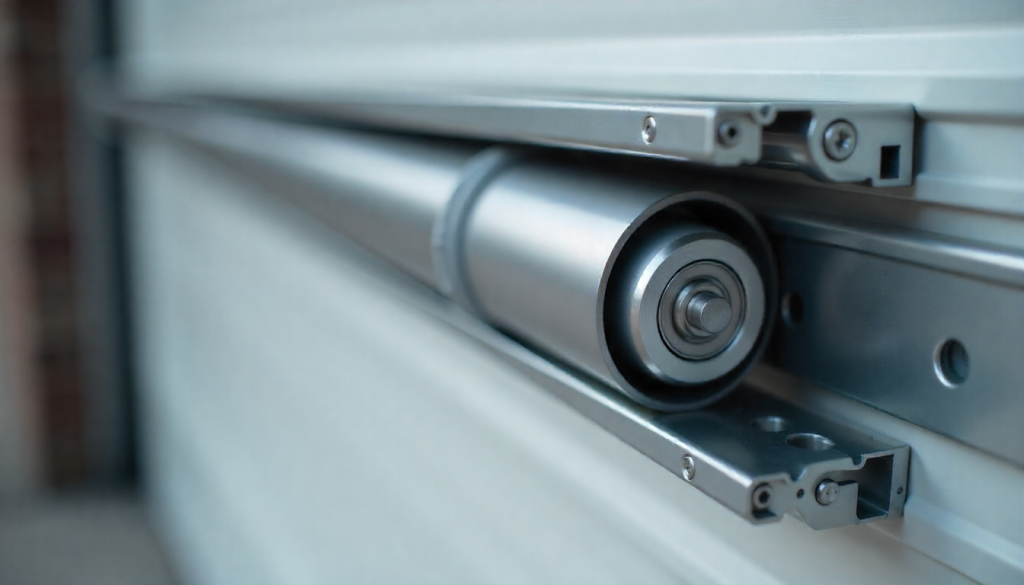
Component replacement also changes. Instead of waiting until springs reach their expected lifespan, we replace at 75% of lifecycle for high-traffic applications. The cost of downtime far exceeds the cost of early replacement. Better to replace springs that still have some life left than risk catastrophic failure during peak operations.
Predictive Maintenance and Cycle Counting
Modern commercial operators include cycle counting technology. This is a game-changer for maintenance planning.
Instead of guessing at how many times your door has cycled, the operator tracks it precisely. We can pull diagnostic data showing exact cycle counts, which lets us calculate component wear with real accuracy. No more surprises, no more “it should have lasted longer” conversations.
Some advanced systems send alerts before you reach critical cycle counts. Your operator can text or email you when springs hit 15,000 cycles (out of their 20,000 rating), giving you weeks to plan replacement rather than dealing with emergency failure.
Historical data from cycle counting also helps optimize your maintenance schedule. Maybe you thought you were cycling 50 times daily, but the data shows you’re actually hitting 75. That means your maintenance needs adjustment. Or maybe seasonal variations mean you’re high-traffic in summer but moderate in winter – knowing this lets you adjust maintenance frequency accordingly.
For Sutherland Shire operations in the Kirrawee industrial estate, Kurnell logistics facilities, or commercial developments around Taren Point, cycle counting technology pays for itself quickly through better maintenance planning and reduced unexpected downtime.
The cost analysis for high-traffic doors is straightforward. Yes, monthly or bi-weekly professional service costs more than quarterly. But operational downtime costs even more. We’ve got clients running 24/7 logistics who’ve calculated their downtime cost at $5,000+ per day. For them, spending $2,000 annually on aggressive preventative maintenance instead of $1,500 on less frequent service is an easy decision when one prevented breakdown saves $5,000.
Insurance considerations come into play too. High-traffic commercial operations often have insurance requirements for documented maintenance. Miss your scheduled service and you might void your coverage right when you need it most.
Seasonal Maintenance Tasks for Australian Conditions
Sutherland Shire’s climate isn’t extreme by global standards, but it’s got specific challenges that affect garage door maintenance. Salt air, summer heat, winter moisture, and those brutal east coast storms all take their toll.
Summer Preparation and Heat Management
Summer in Sydney’s southern suburbs means days hitting 35°C or higher, and garage doors don’t love extreme heat.
Metal expansion is the main issue. Steel and aluminum panels expand in heat, sometimes enough to cause binding in the tracks. If your door runs perfectly in April but starts sticking in January, heat expansion is probably why. During summer preparation (ideally done in late spring), we adjust track spacing slightly to accommodate expansion. This prevents binding and reduces stress on the operator.
Lubrication needs adjustment for high temperatures. Some lubricants thin out and run off in extreme heat. We switch to higher-temperature formulations that maintain viscosity when it’s scorching hot.
Sun damage to rubber seals and weatherstripping happens faster than you’d think. UV exposure and heat make rubber brittle. During summer prep, we inspect all seals and replace any showing signs of hardening or cracking. For doors with direct sun exposure, this might need attention twice annually.
Photo-eye sensors can act up in direct sunlight. Bright sun sometimes interferes with the infrared signal between sensors. During summer maintenance, we check sensor alignment and may recommend relocated sensors or sun shields if you’re getting false readings.
Coastal properties – and I’m talking Cronulla, Bundeena, anywhere with direct ocean exposure – need extra attention in summer. Salt air accelerates corrosion, and summer’s combination of heat, humidity, and salt is the worst possible combination for metal components. Extra lubrication, more frequent rust treatment, and closer monitoring of springs and cables becomes necessary.
Winter Weather Protection
Sutherland Shire winters aren’t harsh, but they’re damp, and moisture causes its own problems.
Cold weather lubrication is a real thing. Regular lubricants can thicken in cold temperatures, making door operation sluggish. Winter prep includes switching to cold-weather appropriate lubricants that maintain flow in the 5 to 15°C range we typically see.
Seal inspection matters more in winter because drafts affect climate-controlled spaces. A garage door with poor seals leaks cold air (and heat from inside), costing you money on heating. Fresh seals installed before winter save on energy bills.
Moisture and condensation management becomes important, especially for insulated doors on climate-controlled buildings. Temperature differential causes condensation, which can lead to rust on internal components. During winter prep, we check drainage channels and ensure moisture isn’t accumulating where it shouldn’t.
Track debris increases in winter with more rain. Leaves, dirt, and general gunk get washed into tracks and accumulate. Winter maintenance includes thorough track cleaning to prevent buildup that causes binding.
Storm Season Readiness for Coastal Properties
November through March is storm season, and Sutherland Shire gets hit hard when east coast lows roll through.
Severe weather inspection checklist – before storm season, we verify all mounting hardware is secure, check that panels are firmly attached, and ensure tracks are properly anchored. Wind can put tremendous stress on doors, and loose components can fail catastrophically in severe weather.
Wind rating verification for your panels matters if you’re in exposed locations. Some older doors weren’t rated for the wind speeds we actually experience during major storms. During storm prep, we assess whether your door meets appropriate wind ratings and recommend upgrades if necessary.
Emergency manual operation preparation – during storms, power outages are common. We test the manual disconnect and make sure you can actually operate the door manually if needed. We’ve been called out to properties where the manual release was seized from years of non-use, leaving them stuck when power went out during a storm.
Backup power considerations – for critical commercial operations, battery backup for your operator might be worth the investment. We can install and maintain backup systems that keep your door operational during power outages.
Post-storm damage assessment protocol – after any significant storm, do a visual inspection before operating your door. Look for debris in tracks, check for panel damage, and make sure nothing shifted during high winds. We offer post-storm inspection services and prioritize these calls because operating a storm-damaged door can make minor damage much worse.
For properties near Port Hacking, in flood-risk areas, or right on the coast, storm season prep is particularly important. These locations take the worst of severe weather and need extra attention to weatherproofing and structural integrity.
Environmental considerations matter too. We use eco-friendly lubricants that won’t harm the environment if they wash off during storms. For coastal properties, water-resistant treatments help protect components from salt water exposure during severe weather.
Industry-Specific Maintenance Requirements
Different industries put different demands on their garage doors, and maintenance needs to match those demands. Here’s how it breaks down across major sectors.
Retail and Commercial Office Buildings
For retail spaces in Miranda, Caringbah, or anywhere customers see your property, maintenance isn’t just about function – it’s about presentation.
Aesthetic maintenance gets priority. Dents, scratches, faded paint – these things matter when customers are forming impressions of your business. During maintenance visits, we address cosmetic issues alongside mechanical ones. A smooth, quiet, good-looking door says “professional operation” to your customers.
Noise reduction is important too. Nobody wants loud, grinding garage doors near their retail space or office. We use quieter components, adjust systems for smoother operation, and pay attention to vibration dampening. This is especially important for mixed-use buildings where offices or residences are above or adjacent to garage access.
Business hours scheduling – we get it, you can’t shut down your parking garage at 2 PM on a Wednesday for maintenance. We work around your operating hours, often scheduling service early morning or after hours to minimize disruption.
Security system integration needs maintenance too. Many retail operations have garage doors tied into alarm systems, access control, and surveillance. During maintenance, we verify these integrations are working correctly and not causing operational issues.
Warehousing and Logistics Facilities
Maximum uptime is the name of the game for warehouses and distribution centers around Kirrawee, Taren Point, and the industrial areas of the Shire.
Heavy-duty component needs – warehouse doors take a beating. Loading dock doors get hit by forklifts, deal with constant cycling, and need to perform reliably under the toughest conditions. Maintenance focuses on the heavy-duty springs, reinforced panels, and commercial-grade operators these doors require.
Loading dock specific requirements include checking dock seals, verifying safety features (dock doors with failed safety systems are a major liability risk), and ensuring integration with dock levelers and other loading equipment works properly.
Integration with inventory systems – modern warehouses have doors connected to their inventory management systems. Doors open automatically when trucks arrive, operators track which doors are in use, and systems log activity. Maintenance includes verifying these integrations and updating software as needed.
For 24-hour operations, we schedule maintenance during slower periods or rotate through multiple doors so you’re never completely without access. Downtime is money, and we plan accordingly.
Automotive and Service Industries
Car washes, auto repair shops, and dealerships have unique challenges.
Extreme high-cycle maintenance – car wash doors are the hardest-working garage doors anywhere. Cycling 200+ times daily means components wear out fast. Monthly or even bi-weekly professional service is standard. Springs might need replacement annually instead of every 5 to 7 years.
Chemical exposure considerations – car washes use harsh cleaning chemicals that can damage standard components. We use chemical-resistant seals, apply protective coatings, and check more frequently for deterioration.
Rapid-cycle door specifications – standard doors can’t handle car wash duty cycles. These applications need doors specifically designed and rated for rapid cycling. During maintenance, we verify you’re not trying to use inappropriate equipment for your application.
Safety interlock systems matter especially in automotive environments. Doors need to integrate with other equipment – car wash conveyors, alignment systems, ventilation controls. Maintenance includes testing all interlocks and ensuring safety systems prevent equipment conflicts.
Multi-Residential and Strata Properties
Apartment complexes and strata buildings across Caringbah, Gymea, and throughout the Shire have their own maintenance challenges.
Shared cost maintenance planning needs clear documentation. Strata fees cover maintenance, but residents want accountability. We provide detailed reports showing exactly what was done, what condition components are in, and what’s coming in the future so strata managers can budget appropriately.
Strata compliance requirements under NSW legislation mandate certain safety standards and maintenance schedules. We ensure your garage door maintenance meets these legal requirements and document everything for your records.
Multiple door coordination – when a building has 5, 10, or 20 garage doors, we coordinate maintenance to service all doors efficiently without blocking resident access unnecessarily. We schedule in phases, document which doors were serviced when, and track individual door maintenance histories.
Tenant communication protocols – residents need to know when maintenance is happening. We work with strata managers to communicate schedules, explain any temporary access limitations, and provide updates on completed work.
The complexity of multi-residential maintenance means specialized experience matters. We’ve worked with residential complexes throughout Sutherland Shire and understand the unique requirements of strata properties.
Whether you’re running retail space at Miranda Westfield, managing a warehouse in the Kirrawee industrial estate, operating a business in Taren Point’s commercial areas, or overseeing a residential complex in Caringbah or Gymea, industry-specific maintenance requirements matter. Generic one-size-fits-all approaches don’t work when different industries have fundamentally different needs.
Cost Benefits of Preventative Maintenance Programs
Let’s talk money, because ultimately that’s what makes or breaks the decision to invest in preventative maintenance versus dealing with problems as they come up.
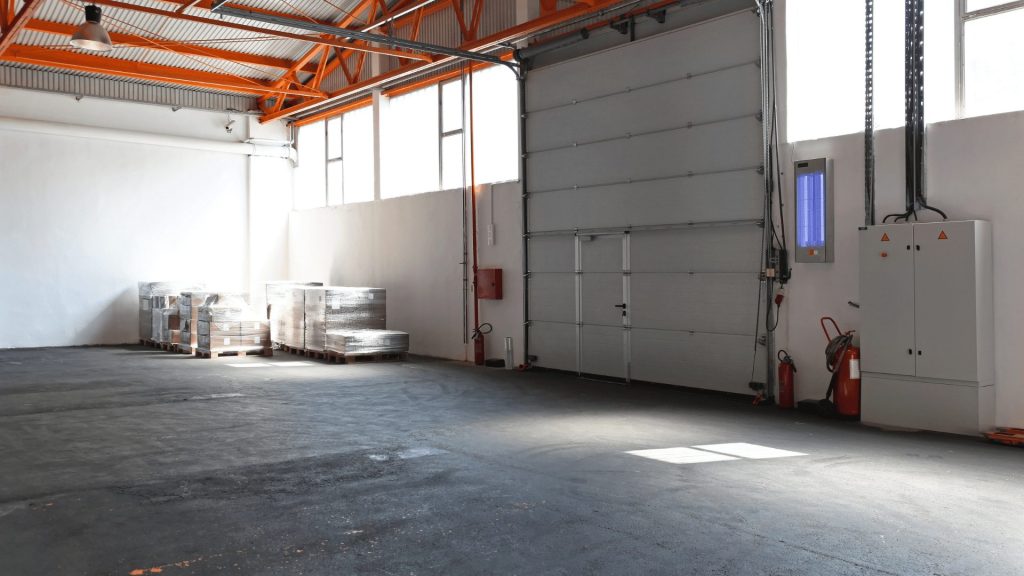
The True Cost of Reactive vs. Preventative Maintenance
The reactive approach – waiting until something breaks – seems cheaper upfront. You’re not spending money on regular maintenance, so you feel like you’re saving. But let’s look at real numbers.
Emergency service comes with premiums. After-hours or weekend calls might cost 50% to 100% more than scheduled service during business hours. That $200 regular service call becomes $400 to $600 as an emergency.
Business downtime is where reactive maintenance really costs you. A retail operation that can’t access their parking garage loses customers. A warehouse with a broken loading dock can’t receive or ship inventory. A strata building with a failed garage door has angry residents who can’t access their homes. Depending on your operation, downtime costs run $500 to $5,000+ per day.
Accelerated component wear happens with reactive maintenance because small problems become big problems. A worn roller that should’ve been caught during quarterly service damages the track. A spring that should’ve been replaced proactively snaps and damages cables, panels, and possibly the operator. What should’ve been a $150 repair becomes a $1,000 emergency fix.
Unpredictable budgeting is another hidden cost. You never know when emergencies will hit or how much they’ll cost. Makes financial planning difficult, especially for small businesses operating on tight margins.
Security risks during failures can’t be ignored. A failed garage door might leave your property unsecured for hours or days until repair. For business, that’s inventory at risk. For residential, that’s home security compromised.
Average annual cost for reactive maintenance? Our Sutherland Shire clients who take this approach spend $1,200 to $2,500 annually when you account for emergency repairs, downtime, and accelerated wear on components.
The preventative approach means scheduled service visits on a regular maintenance schedule. You know when service is happening, what it costs, and can plan around it.
Priority emergency response is included in most maintenance programs. When something does go wrong (and eventually something will), clients on maintenance programs get priority scheduling and often discounted emergency rates.
Extended component lifespan makes a huge difference. Regular maintenance extends spring life by 20% to 40%, keeps operators running longer, and prevents minor issues from causing major damage. Your dollars go further.
Predictable annual budgeting – you know exactly what maintenance costs each year. No surprises, no scrambling for emergency repair funds, just predictable operating expenses.
Fewer emergency situations mean less stress and lower costs. Clients on maintenance programs average one emergency every 3 to 5 years instead of 2 to 3 annually.
Average annual cost for preventative programs runs $600 to $1,200 depending on your service level and door complexity. Net savings over 5 years? You’re looking at 40% to 60% cost reduction compared to reactive maintenance.
Maintenance Contract Options for Sutherland Shire Businesses
We offer three maintenance program levels to match different needs and budgets.
Bronze Package works for residential properties and low-traffic commercial:
- Bi-annual professional service (spring and fall)
- Priority emergency response (within 24 hours)
- 10% discount on parts if repairs are needed
- Annual inspection report documenting door condition
- Annual cost: $299
This package suits homeowners in Cronulla, Miranda, or anywhere in the Shire with typical residential use. It’s also appropriate for small office buildings with minimal door usage.
Silver Package is our standard commercial option:
- Quarterly professional service
- Monthly remote monitoring (for equipped operators)
- Priority 4-hour emergency response during business hours
- 15% discount on parts and labor
- Detailed maintenance logs for your records
- Annual comprehensive assessment
- Annual cost: $699
Most retail operations, standard commercial properties, and moderate-use warehouses fit this package. It’s our most popular commercial option because it balances cost with comprehensive maintenance.
Gold Package is for high-traffic and mission-critical operations:
- Monthly professional service
- 24/7 priority emergency response (2-hour target)
- Predictive maintenance with cycle counting and data analysis
- 20% discount on all services, parts, and labor
- Dedicated service technician familiar with your property
- Quarterly comprehensive reports with lifecycle planning
- Annual cost: $1,299
Warehouses, loading docks, car washes, fire stations, and any operation where downtime is extremely costly should consider this level. The investment pays for itself with a single prevented major failure.
All packages include seasonal adjustment, documentation for insurance and compliance purposes, and flexibility to adjust service frequency if your usage patterns change.
Ready to Protect Your Investment with Professional Maintenance?
Here’s the bottom line – garage door maintenance isn’t an expense, it’s an insurance policy against bigger expenses down the road. Whether you’re running a commercial operation in Sutherland Shire or maintaining your home in Cronulla, Miranda, Caringbah, or anywhere across the Shire, regular maintenance protects your investment and prevents the headaches that come with unexpected failures.
80% of garage door failures are preventable. That stat we opened with? It’s not just a number – it’s hundreds of our clients who’ve avoided thousands of dollars in emergency repairs and operational downtime by staying on top of maintenance.
The choice is yours: pay for scheduled, predictable maintenance on your terms, or pay more for emergency repairs on the door’s terms. One approach gives you control, the other leaves you reacting to crises.
Don’t wait for a costly breakdown to find out your door needed attention six months ago. Join the hundreds of Sutherland Shire businesses and homeowners who’ve already discovered that preventative maintenance isn’t just cheaper – it’s smarter.
Schedule your free inspection today and we’ll assess your current door condition, recommend the right maintenance schedule for your usage, and show you exactly what preventative care can save you. Or view our maintenance packages to see which service level matches your needs and budget.
Got questions? Call us now and talk to someone who knows Sutherland Shire’s unique climate challenges, understands local commercial and residential needs, and can give you straight answers about what your door actually needs.
Garage Doors Experts Sutherland Shire – we’ve been keeping local doors running smoothly for years, and we’re ready to do the same for yours.