
Introduction
Last week, I got a frantic call from a homeowner in South Cronulla. They’d just come home from work, pressed their garage remote, and… nothing. The door wouldn’t budge. Their car was stuck outside, it was starting to rain, and they had groceries melting in the boot. The culprit? Salt corrosion had eaten through the springs—something that could’ve been spotted during a routine check three months earlier.
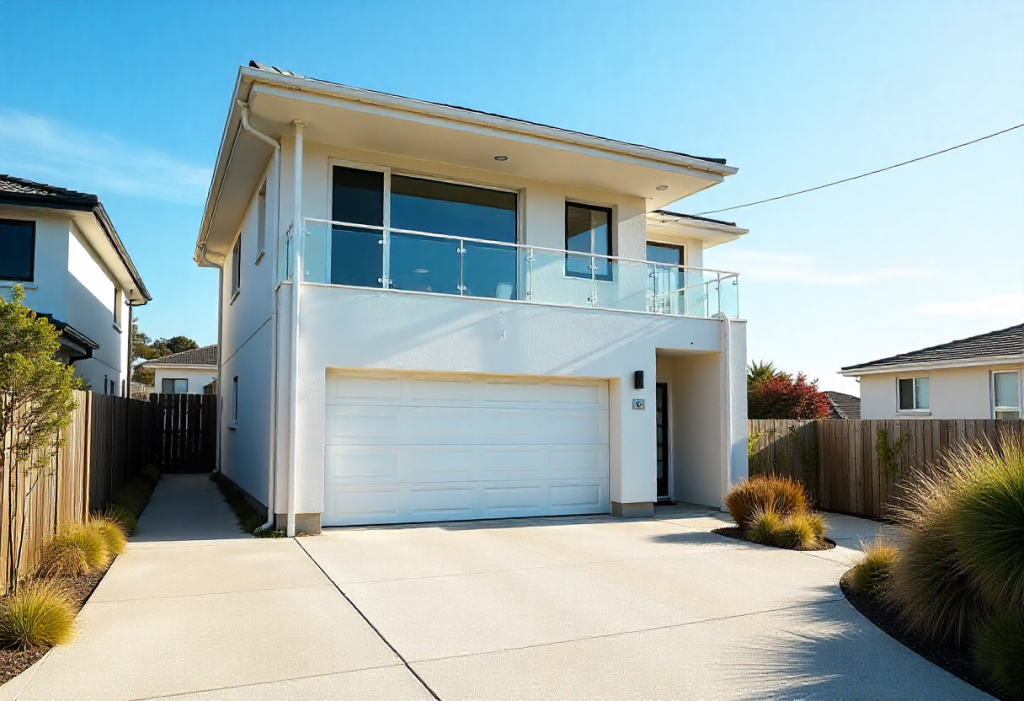
Living within walking distance of Cronulla Beach gives you that enviable lifestyle—morning swims at Wanda Beach, sunset walks along the Esplanade, and that fresh sea breeze flowing through your home. But here’s what the real estate agents don’t mention when they’re showing you those stunning beachside properties: that same beautiful ocean air is secretly waging war on your garage door, attacking it 24 hours a day with microscopic salt particles that can slash your door’s lifespan from 15 years down to just 7.
The good news? With the right garage door maintenance Cronulla coastal homes require, you can fight back against the salt assault. I’ve spent the last 15 years helping Sutherland Shire homeowners protect their garage doors from our harsh coastal conditions, and I’ve seen firsthand how proper maintenance makes the difference between a door that fails at 7 years and one that’s still running smoothly at 20.
What you’re about to read isn’t just another generic maintenance guide. This is specifically for Cronulla, written for homes battling the unique combination of salt spray from Gunnamatta Bay, those fierce southerly winds that whip through Port Hacking, and humidity levels that turn metal components into rust magnets. We’ll walk through exactly when to service your door, what you can safely do yourself, and when you absolutely need to call in the professionals—before you end up with your car trapped and groceries melting.
How Often Should Garage Doors Be Serviced in Coastal Areas?
Garage doors in Cronulla coastal homes should be serviced:
- Every 3 months: Professional inspection and lubrication
- Every 6 months: Full mechanical service and salt residue removal
- Monthly: DIY visual checks and cleaning
- After storms: Immediate inspection for salt spray damage
Homes within 500m of Cronulla Beach require 2x more frequent servicing than inland properties. Critical maintenance includes:
- Washing salt deposits from springs and tracks
- Applying marine-grade lubricants
- Checking weather seals for degradation
- Testing auto-reverse safety features
- Inspecting for rust formation on metal components
Why Cronulla’s Climate Demands More Frequent Garage Door Servicing
The Salt Air Factor: How Ocean Spray Accelerates Wear
You know that white crusty buildup you see on your car after a big southerly blows through? That same salt is accumulating on every moving part of your garage door system. The Bureau of Meteorology data shows Cronulla cops an average of 127 days per year with onshore winds strong enough to carry salt spray inland—that’s more than one in every three days.
What makes it worse is that salt doesn’t just sit there looking ugly. It’s hygroscopic, which means it actually pulls moisture out of the air, creating these tiny pools of saltwater that eat through metal like acid. I’ve pulled springs out of garage doors in beachfront homes that looked like Swiss cheese after just five years—same springs would last 15 years in Menai or Alfords Point.
Humidity Levels in Sutherland Shire vs Inland Sydney
Here’s something that surprises a lot of people: Cronulla’s average humidity sits at 65% year-round, while suburbs like Castle Hill hover around 55%. That 10% difference might not sound like much, but for your garage door, it’s the difference between surface rust and deep corrosion that weakens the structural integrity of your springs and cables.
During those muggy February mornings when the humidity hits 85%, your garage door components are basically swimming in moisture. Combine that with salt residue, and you’ve got a recipe for accelerated deterioration that inland Sydney homeowners never have to worry about.
Storm Season Impact: October to March Considerations
Storm season brings its own special challenges. Those spectacular thunderstorms that roll in from the south don’t just dump rain—they’re basically giving your garage door a high-pressure saltwater shower. After the big storms we had in March 2024, I serviced 47 garage doors in Cronulla alone, and every single one had visible salt crystallization on the springs.
Temperature Fluctuations: From 40°C Summers to Coastal Winds
Cronulla’s garage doors cop a beating from temperature swings that would make inland doors cry. On a 40-degree January day, the metal components expand, then contract rapidly when that afternoon seabreeze kicks in, dropping temps by 10 degrees in minutes. This constant expansion and contraction fatigues metal components three times faster than steady temperatures would.
The True Cost of Neglect: What Happens When Coastal Garage Doors Aren’t Maintained
Complete Spring Failure: Average Cost $450-800 in Cronulla
When springs fail in Cronulla, they don’t just weaken—they snap. And when a spring under that much tension lets go, it sounds like a gunshot. One Burraneer Bay resident thought someone was breaking in at 2 AM, but it was just their neglected spring finally giving up. Replacing a single spring runs between $450-800 in our area, but here’s the kicker: when one spring goes, the other’s usually not far behind.
Motor Burnout from Salt Corrosion: $800-1500 Replacement
Salt corrosion doesn’t just attack the visible parts. It creeps into your motor housing through tiny gaps in the casing. Once it gets to the circuit boards and electrical components, you’re looking at a complete motor replacement. At $800-1500 for a quality motor suited to coastal conditions, that’s an expensive lesson in why those rubber seals around your motor matter.
Track Misalignment and Structural Damage
This one’s sneaky. Salt corrosion weakens the brackets holding your tracks in place. They don’t fail immediately—instead, they slowly bend under the door’s weight. Before you know it, your door’s grinding against misaligned tracks, wearing down rollers and putting massive stress on your motor. By the time most people notice the grinding sound, you’re looking at $1,200+ to realign tracks, replace rollers, and fix the damaged panels.
Security Vulnerabilities in Corroded Systems
A garage door with corroded components isn’t just inconvenient—it’s a security risk. I’ve seen doors where the lock mechanism was so corroded it could be forced open with moderate pressure. Your home insurance might not cover a break-in if they determine your garage door wasn’t properly maintained. That’s a conversation you don’t want to have after you’ve been burglarized.
Your Seasonal Maintenance Calendar for Beachside Garage Doors
Summer (Dec-Feb): Peak Salt Spray Season Protocol
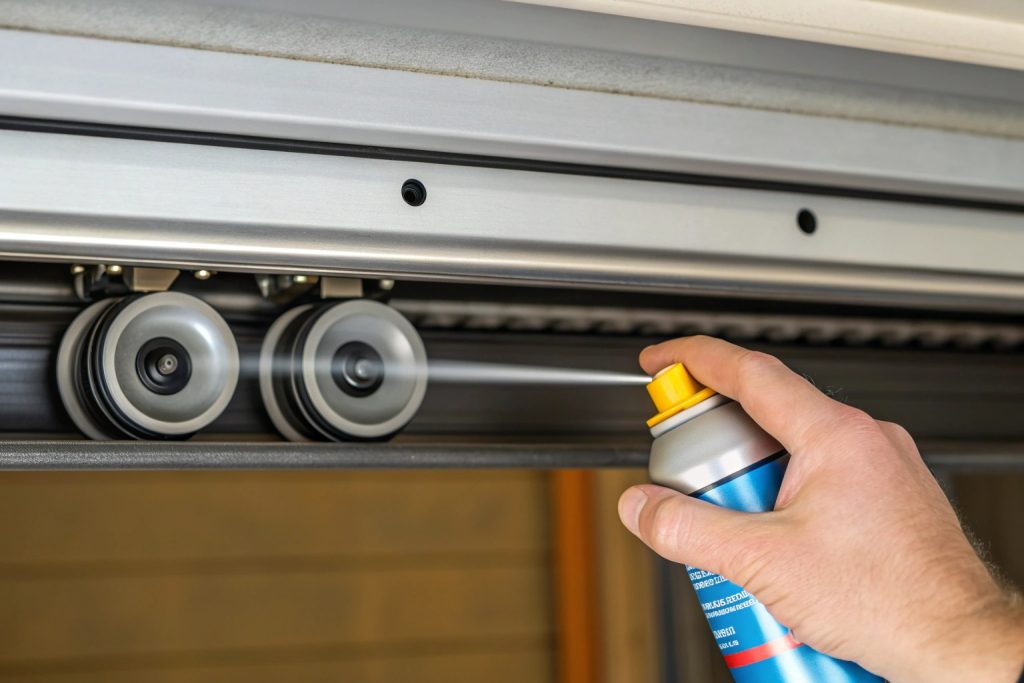
Summer nor’easters are brutal on garage doors. During these months, you need to be washing down your door weekly—yes, weekly. Use fresh water from your garden hose, focusing on the springs, hinges, and track. After washing, apply a marine-grade silicone spray (not WD-40, which actually attracts more salt).
December’s when you should book your pre-Christmas service. You don’t want door problems when you’ve got a house full of relatives and cars constantly coming and going.
Autumn (Mar-May): Post-Storm Season Inspection
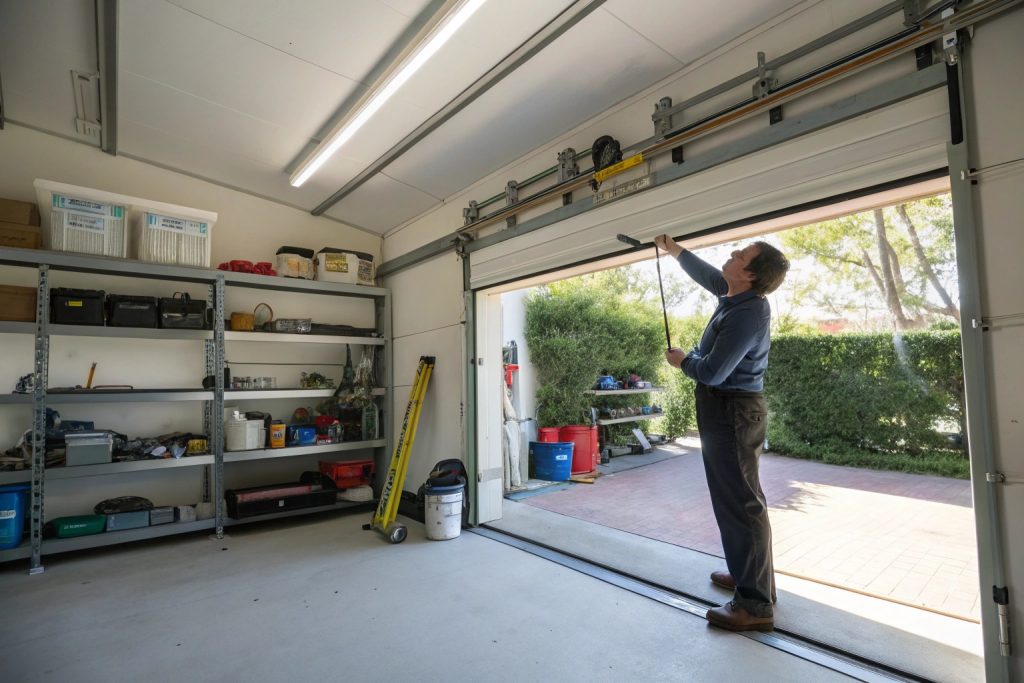
March through May is damage assessment time. Those late summer storms have done their worst, and now you need to check what’s been affected. Look for any new rust spots, test the door balance by disconnecting the opener and lifting manually (it should stay put when lifted halfway), and listen for any new squeaks or grinding sounds.
This is also when you should get your comprehensive six-month service done. Technicians will check spring tension, replace weatherstripping if needed, and treat any early-stage rust before winter sets in.
Winter (Jun-Aug): Rust Prevention Focus
Winter’s actually your friend when it comes to garage door maintenance Cronulla residents need. Lower humidity and less salt spray give you a chance to get ahead of corrosion. This is the perfect time for applying rust preventative coatings and replacing any weatherstripping that’s seen better days.
June’s quiet period is ideal for any major repairs or upgrades. If you’re thinking about installing a new motor or upgrading to stainless steel springs, winter’s when to do it.
Spring (Sep-Nov): Pre-Storm Preparation
September’s all about getting ready for storm season. Check and tighten all bolts (salt corrosion loosens them), test your manual release in case of power outages, and make sure your weatherseals are intact. You don’t want to discover problems when the first October storm hits.
DIY Between-Service Checks for Cronulla Homeowners
Weekly 5-Minute Visual Inspection Guide
Every Sunday morning while your coffee’s brewing, do this quick check. Stand inside your garage with the door closed and look for daylight around the edges—any gaps mean your seals are failing. Open the door halfway and check if it stays put (if it drops or rises, your springs need adjustment). Run your hand along the bottom seal—if it feels brittle or has chunks missing, it needs replacing.
Safe Cleaning Techniques for Salt Removal
Here’s my tried-and-tested cleaning method: Mix a bucket of warm water with a tablespoon of car wash detergent (it’s designed to remove salt). Using a soft-bristle brush on an extension pole, scrub the door panels, paying extra attention to the bottom two panels which cop the most salt spray. Rinse thoroughly with fresh water—any soap residue will actually attract more salt.
Never use a pressure washer on your garage door. The high pressure forces water into places it shouldn’t go, accelerating rust in hidden spots.
When to Apply Lubricant (And Which Type for Coastal Areas)
Forget everything you know about WD-40—it’s not a lubricant for coastal conditions. You need marine-grade silicone spray or white lithium grease. Apply it monthly to hinges, roller bearings (not the tracks—never lubricate tracks), and the spring coils. The trick is to wipe off excess after application. Excess lubricant attracts salt and sand, creating a grinding paste.
Testing Safety Features Without Professional Tools
Your garage door auto-reverse feature is critical for safety. Test it monthly by placing a brick flat on the ground where the door closes. The door should reverse immediately upon touching the brick. If it doesn’t, stop using the door and call a technician—this isn’t something to mess around with.
Professional vs DIY Maintenance: What’s Safe and What’s Not

Tasks Only Professionals Should Handle
Never, and I mean never, attempt to adjust or replace springs yourself. Those springs are under massive tension—enough to seriously injure or kill if they snap while you’re working on them. Same goes for cables, drum adjustments, and anything involving the motor’s electrical components.
Track realignment might look simple, but get it wrong and you’ll cause more damage than you started with. Leave it to someone with the proper tools and experience.
Insurance Implications of DIY Repairs
Here’s something most people don’t know: if you attempt a DIY repair and something goes wrong, your home insurance might refuse to cover the damage. I’ve seen claims rejected because homeowners tried to save money by replacing springs themselves, only to have them fail and damage their car.
Cost-Benefit Analysis for Cronulla Homeowners
Professional servicing costs around $180-250 per visit in Cronulla. Sounds expensive? Compare that to a spring replacement at $600, motor replacement at $1,200, or complete door replacement at $3,000+. Regular professional maintenance typically saves Cronulla homeowners $800-1,500 per year in avoided repairs.
Finding Qualified Technicians in Sutherland Shire
Look for technicians with specific coastal experience—someone who’s been servicing Gymea might not understand Cronulla’s unique challenges. Check they’ve got proper licensing (NSW Fair Trading license), insurance, and manufacturer certifications for your door brand. Ask if they stock marine-grade replacement parts—if they’re offering standard parts, they don’t understand coastal maintenance.
Signs Your Cronulla Garage Door Needs Immediate Attention
Visual Warning Signs: Rust, Gaps, and Misalignment
Orange rust stains running down your door panels aren’t just ugly—they’re crying for help. If you can see rust, it’s already eaten through the protective coating and into the metal. Gaps between panels mean the door’s structure is compromised. If your door looks crooked when closed, you’ve got serious track or spring problems brewing.
Operational Red Flags: Noises, Delays, and Jerky Movement
A healthy garage door purrs. If yours sounds like it’s grinding coffee beans, squealing like brakes, or making popping sounds, something’s wrong. Delays between pressing your remote and door movement indicate motor problems. Jerky movement means your springs are failing or tracks are obstructed.
Safety Concerns Requiring Emergency Service
If your door won’t stay open, drops suddenly, or reverses randomly, stop using it immediately. These are signs of imminent spring failure or motor malfunction. Same if you smell burning from the motor or see sparks—that’s an electrical fault that could cause a fire.
Storm Damage Assessment Checklist
After any storm with winds over 60km/h, check for bent panels, damaged weatherstripping, and debris in tracks. Test the door’s balance and auto-reverse. Look for new rust spots where salt spray might’ve penetrated. If anything seems off, get it checked—storm damage often gets worse quickly if left untreated.
How Distance from the Beach Affects Your Maintenance Schedule
Zone 1: Beachfront to 200m (Extreme exposure)
If you’re in this zone—basically anywhere from Cronulla Esplanade to Ewos Parade —you’re in the firing line. Your garage door needs professional attention every 6-8 weeks. Monthly washing is non-negotiable. Expect to replace springs every 5-7 years and consider upgrading to stainless steel components.
Zone 2: 200m to 500m (High exposure)
This covers most of central Cronulla back to about Kingsway. You can stretch professional services to every 3 months, but you still need fortnightly washing during summer. Springs typically last 7-10 years with proper maintenance.
Zone 3: 500m to 1km (Moderate exposure)
If you’re back near Cronulla High School or around Woolooware, you’re in the moderate zone. Professional service every 4-6 months should suffice, with monthly washing during summer and after storms. Your components should last 10-12 years with proper care.
Zone 4: Beyond 1km (Standard coastal exposure)
Areas like Lilli Pilli and Kirrawee still get salt air but not the direct assault. Standard 6-month servicing works here, though you should still wash your door after major storms. Components can last 12-15 years with regular garage door maintenance Cronulla style attention.
The difference between Zone 1 and Zone 4 maintenance costs? About $600 per year. But here’s the thing—that beachfront location adds massive value to your property. Protecting that investment with proper garage door maintenance is just smart economics. Plus, when you eventually sell, you can honestly tell buyers the garage door’s been professionally maintained for coastal conditions. That’s a selling point that resonates in Cronulla’s property market.