
The Real Cost of Choosing Wrong
You know that moment when you’re standing in front of a massive warehouse door in Kirrawee, watching it glide open smoothly for the twentieth time that day, and you think to yourself—”why doesn’t my garage door at home work this well?”
Last month, I met Sarah, a Miranda business owner who made this exact mistake. She installed a residential-grade door on her retail space because it looked sleek and cost half the price. Three months later, she was calling us for the third repair. The door couldn’t handle the constant opening and closing from staff and deliveries. By month six, she had spent more on repairs than the price difference between a commercial and residential door.
Why This Decision Matters for Your Property
Here’s the thing—are you a Sutherland Shire business owner wondering if your commercial property needs a different type of garage door than your home? Or perhaps you’re a homeowner considering a commercial-grade door for added security and durability? Understanding the distinction between commercial and residential garage doors can save you thousands of dollars and a whole lot of frustration.
The difference between commercial vs residential garage doors goes way beyond size and appearance. We’re talking construction materials, usage cycles, safety standards, maintenance requirements—these two categories serve completely different purposes and operate under totally different specifications.
What You’ll Learn in This Guide
Whether you’re managing a warehouse in Kirrawee, operating a retail space in Miranda, or protecting your family home in Cronulla, choosing the wrong type of garage door leads to premature failure, safety concerns, and unnecessary expenses. In this guide, we’ll walk through the seven key differences between commercial and residential garage doors, so you can make an informed decision that protects your property investment and meets your specific operational needs.
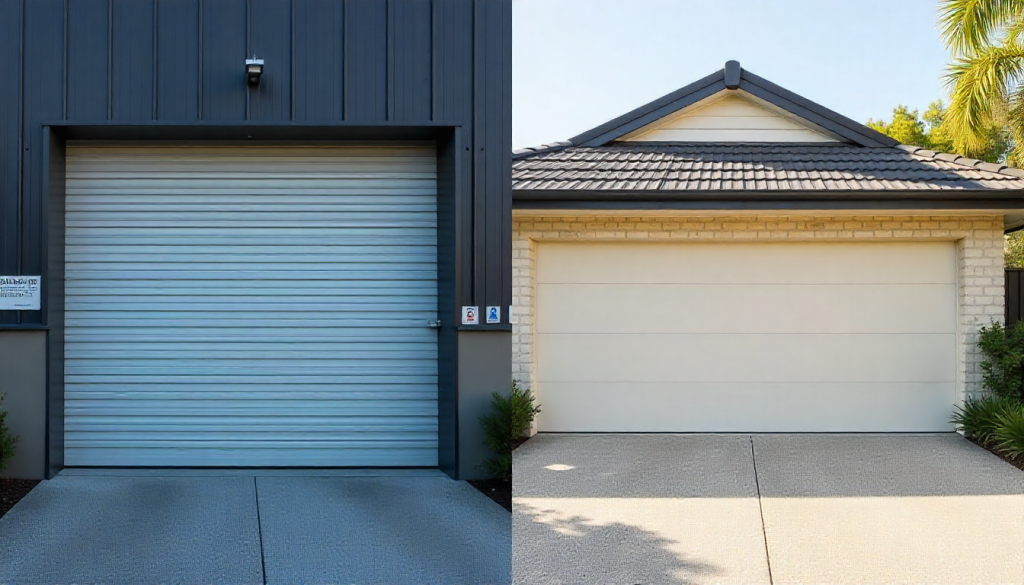
What is the Difference Between Commercial and Residential Garage Doors?
Commercial and residential garage doors differ in five fundamental ways:
Construction Durability: Commercial doors use heavier gauge steel (24-20 gauge) and industrial-grade materials designed for 10,000+ cycles annually, while residential doors use lighter materials (25-27 gauge) built for 1,500-3,000 cycles per year.
Size and Configuration: Commercial doors typically range from 10-32 feet wide to accommodate vehicles and equipment, whereas residential doors are standard 8-9 feet wide for personal vehicles.
Security Features: Commercial installations include advanced access control systems, reinforced locking mechanisms, and integration with business security systems, compared to basic residential security options.
Safety Compliance: Commercial doors must meet strict OSHA and building code requirements with additional safety sensors and emergency release systems beyond residential standards.
Maintenance Requirements: Commercial doors require quarterly professional servicing due to heavy usage, while residential doors typically need annual maintenance.
Construction and Materials: Built for Different Demands
Steel Gauge Makes All the Difference
Walk into any hardware store and ask about steel gauge, and you’ll probably get a confused look from most homeowners. But this number? It’s everything when we’re talking about garage doors.
Commercial garage doors use 24-20 gauge steel—that’s the heavy-duty stuff. Some even use aluminum or heavy-duty composite materials that can take a beating day after day. Your residential door? That’s sitting at 25-27 gauge steel or even lighter materials. The lower the gauge number, the thicker and stronger the steel.
Now, if you live anywhere in Sutherland Shire, you already know what the coastal climate does to metal. That salt air doesn’t discriminate—it’ll eat through weak materials faster than you can say “rust prevention.” The heavier gauge steel on commercial doors holds up better against our weather, plain and simple.
Insulation: More Than Just Keeping Things Warm
Here’s where things get interesting for your wallet. Commercial doors that need climate control—think warehouses storing temperature-sensitive goods or retail spaces keeping customers comfortable—these need serious R-values. We’re talking insulation that actually works.
Residential insulation focuses on energy efficiency and keeping your home comfortable. It’s not bad insulation, it’s just designed for different needs. Your home garage probably opens 3-4 times a day. A commercial space? Could be 30-40 times. That’s a lot of heat loss if the insulation can’t keep up.
For Sutherland Shire properties, especially during those scorching summer days or the few cold winter mornings we get, proper insulation pays for itself. But you need the right type for your application.
Track and Hardware Systems That Actually Last
Commercial track systems use 14-12 gauge tracks. These aren’t the tracks you’ll find at Bunnings for a DIY weekend project. They’re industrial-grade because they need to be.
Residential tracks run 16-14 gauge. They’re lighter, easier to install, and perfectly fine for a door that opens a handful of times daily.
Then there’s the spring systems—commercial doors almost always use torsion springs because they last longer and handle the weight better. Residential can go either way, but extension springs are common because they’re cheaper upfront.
Here’s some numbers that matter:
- Commercial doors weigh 400-800 lbs compared to residential doors at 150-250 lbs
- Material costs run 40-60% higher for commercial applications
- Expected lifespan: Commercial doors last 20-30 years versus residential 15-20 years with proper maintenance
What This Means for Your Sutherland Shire Property
A Cronulla homeowner doesn’t need the same door as a Caringbah industrial facility. Seems obvious when you say it out loud, but you’d be surprised how many people try to cut corners here.
The construction quality forms the foundation of everything else. Get this wrong, and nothing else matters because your door won’t last long enough to worry about the other features.
Usage Cycles and Durability Requirements
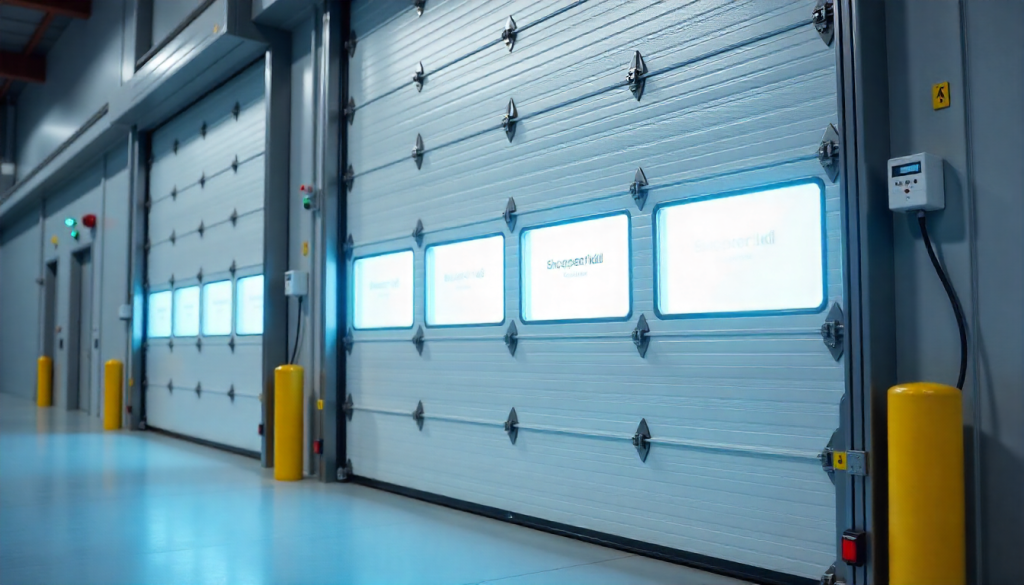
How Often Does Your Door Actually Work?
Let’s talk about what “heavy use” really means. That Miranda retail center? Their loading dock door opens 50+ times per day. Every delivery, every stock transfer, every time staff moves equipment. That’s 12,000+ cycles per year, easy.
Your family home in Cronulla? You leave for work in the morning, come home in the evening, maybe run to the shops on weekends. We’re looking at 3-4 cycles per day, roughly 1,200 cycles annually.
That’s not a small difference. That’s the difference between needing a marathon runner versus someone who jogs on weekends.
Motors Built for Different Jobs
Commercial operators pack 1/2 HP to 2 HP continuous-duty motors. These motors are designed to run all day without overheating. They’ve got thermal protection built in because when a business door stops working, money stops moving.
Residential operators typically run 1/2 HP to 3/4 HP standard duty motors. They’re not designed for continuous operation because they don’t need to be. Your door sits idle 95% of the day.
Smart home integration looks different too. Residential systems focus on convenience—opening your door from your phone, integrating with Google Home or Alexa. Commercial systems need employee access tracking, scheduled operations, and integration with business security systems.
When Components Wear Out
Springs tell the whole story of usage differences. Commercial springs are rated for 10,000-25,000 cycles because they’ll actually see that many. Residential springs? Also rated around 10,000-15,000 cycles, but most residential doors never come close to hitting that number before the springs age out naturally.
Rollers and bearings on commercial doors use sealed ball bearings that can handle the constant movement. Residential doors often use nylon rollers—perfectly fine for lighter use, but they’d disintegrate under commercial demands.
Cable strength requirements scale with door weight and usage. A commercial door cable snapping during business hours isn’t just inconvenient—it’s a safety hazard and a productivity killer.
Weather seals take more abuse on commercial doors simply because they’re opening and closing constantly. Every cycle means exposure to dust, debris, and weather. In high-traffic environments, these seals need replacing more frequently.
The Reality of Usage Patterns
Average commercial doors operate 2,500-12,000 times annually depending on the business type. A busy warehouse hits the high end. A small retail storage area might be on the lower end.
Average residential doors? 1,000-1,500 times per year. Some homes with multiple drivers and active families might push 2,000, but that’s still nowhere near commercial usage.
| Door Type | Daily Cycles | Annual Cycles | Motor Type |
| Commercial Warehouse | 30-50+ | 10,000-15,000 | 1-2 HP Continuous |
| Commercial Retail | 15-30 | 5,000-10,000 | 3/4-1 HP Continuous |
| Residential Active Family | 4-6 | 1,500-2,000 | 1/2-3/4 HP Standard |
| Residential Average | 3-4 | 1,000-1,500 | 1/2 HP Standard |
Security features build on these durability foundations to address different threat levels and access control needs.
Security Features and Access Control Systems
Locking Down Your Property
Commercial properties face different security threats than homes. A warehouse in Caringbah’s industrial area stores inventory, equipment, and tools—targets for organized theft. The multi-point locking systems on commercial doors aren’t overkill, they’re necessary.
Residential locks focus on deterring opportunistic crime. Standard deadbolts and slide locks work fine for most Sutherland Shire homes because residential burglars typically look for easier entry points—windows, back doors, weak points that don’t require heavy equipment.
We upgraded a commercial property’s security last year after they experienced a break-in attempt. The old residential-style door had a single lock point. Thieves had started prying at the bottom. The new commercial door had reinforced construction with five locking points. They haven’t had an issue since.
Who Gets In and When
Commercial access control gets sophisticated because businesses need to know who accessed what and when. Keycard systems, biometric scanners, smartphone app integration—these aren’t just fancy tech, they’re audit trails. When inventory goes missing, you can check who opened the door.
Employee tracking matters for liability and security. Zone-based access means your warehouse staff can’t access the office areas after hours, or delivery drivers can’t enter secured storage.
Residential systems keep things simpler. WiFi openers let you check if you closed the garage from work. Keypad entry means you don’t need to hide a spare key under the mat. Smartphone control integrates with Ring or Google Home for convenience.
But here’s where some homeowners get it wrong—they think they need commercial-level access control. Unless you’re running a business from home or have serious security concerns, you’re spending money on features you won’t use.
Monitoring What Happens
Commercial systems integrate with business alarm systems because everything’s connected. Unauthorized access attempt at 2 AM? The alarm company gets notified, security footage starts recording, and the business owner gets an alert.
Video surveillance coordination means when the door opens, cameras automatically start recording. Real-time notifications keep business owners aware of after-hours activity.
Residential monitoring keeps things focused on convenience and basic security. Remote operation means you can let the plumber in without leaving work. Status checking gives peace of mind that you actually closed the door.
Insurance Companies Care About This
Commercial insurance providers ask specific questions about security features. Your premiums reflect the quality of your security setup. Skimp on proper commercial doors and locking systems? Expect higher premiums or coverage limitations.
Some insurers won’t cover certain claims if you don’t meet minimum security standards. That break-in we mentioned earlier? The business owner’s claim got scrutinized because the door didn’t meet the insurer’s recommended specifications.
Residential insurance offers discounts for upgraded security, but the requirements aren’t as strict. Still, documenting your security features can reduce premiums and strengthen claims if something happens.
Safety Standards and Compliance Requirements
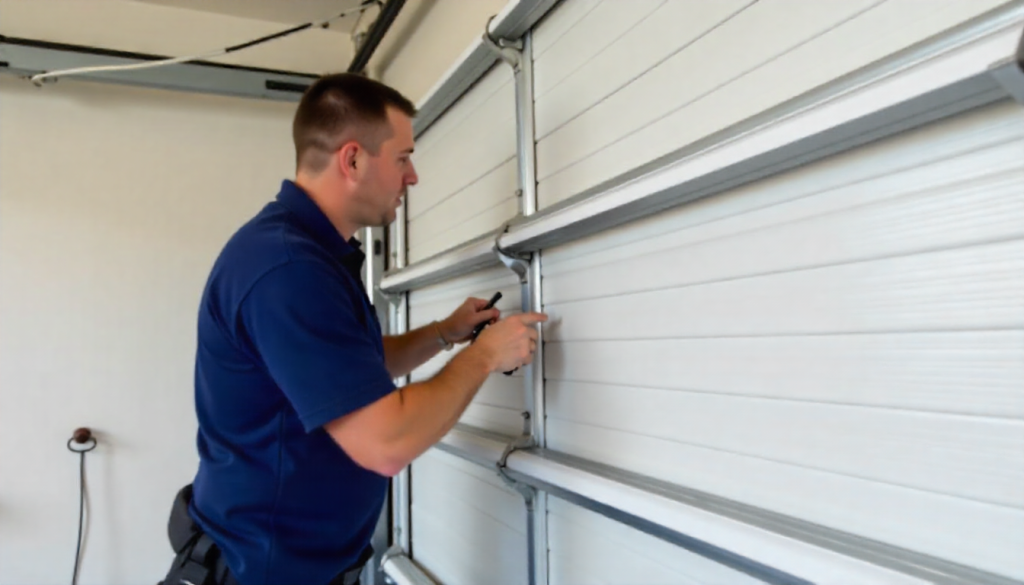
Different Rules for Different Properties
Commercial properties operate under OSHA standards, AS1418.18, and building codes that don’t mess around. Get these wrong and you’re looking at fines, liability issues, and potential shutdowns.
Emergency egress requirements mean commercial doors need to allow people to exit quickly during emergencies. ADA compliance ensures accessibility for employees and customers with disabilities.
Residential safety standards follow AS4420.1 requirements—still important, but the stakes are different. You’re protecting your family, not employees and the public.
Sutherland Shire Council has specific requirements for commercial properties that residential owners don’t face. Getting permits, passing inspections—it’s a whole process.
Safety Sensors Save Lives
Commercial photo-eye sensors need redundancy. One sensor fails? The backup catches it. Edge sensors detect when the door contacts something. Pressure-sensitive systems stop the door if it meets resistance.
Emergency stop mechanisms need to be clearly marked and easily accessible. When something goes wrong in a commercial setting, seconds matter.
Residential doors follow UL 325 equivalent standards in Australia. Obstruction detection systems stop the door if something’s in the way—like your kid’s bike or the family dog.
These sensors have prevented countless injuries. The standards exist because people got hurt before these safety features became mandatory.
When Power Fails
Commercial battery backup isn’t optional in many cases. Fire codes require doors to remain operational during power failures for emergency access. Manual release mechanisms need to be accessible even when the power’s out.
Residential emergency release systems are simpler but just as important. That red handle hanging from your opener? That’s your manual release. During Sutherland Shire’s occasional storm-related power outages, you need to know how to use it.
Testing and certification schedules differ dramatically. Commercial doors require documented testing—you need records proving the safety systems work.
Inspection Requirements Nobody Talks About
Commercial doors need professional safety inspections every 12 months minimum. Some high-traffic applications require quarterly inspections. These aren’t suggestions—they’re requirements.
Non-compliance penalties for commercial properties start with fines but can escalate to shutdown orders if safety violations pose immediate risks.
Residential doors? We recommend annual inspections, but there’s no inspector showing up to cite you if you skip it. That said, the one time your door fails when you need it most, you’ll wish you’d kept up with maintenance.
| Property Type | Inspection Frequency | Regulatory Body | Consequences of Non-Compliance |
| Commercial High-Traffic | Quarterly | OSHA, Council | Fines $1,000+, Shutdown Risk |
| Commercial Standard | Annual | Building Code Authority | Fines $500+, Insurance Issues |
| Residential | Recommended Annual | Self-Regulated | Equipment Failure, Safety Risk |
These structural, operational, and regulatory differences naturally lead to varying cost considerations throughout the door’s lifecycle.
Cost Considerations for Business vs Home Applications
What You’re Actually Paying For
Commercial garage doors start at $2,500 and climb to $15,000 or more depending on what you need. That’s not a typo. A fully-loaded commercial door with high-security features, heavy insulation, and automated controls easily hits five figures.
Residential doors? You’re looking at $800-$4,000 installed for most homes in Sutherland Shire. That’s the complete package—door, opener, installation, the works.
Why such a massive gap? Size plays a role—commercial doors run anywhere from 10-32 feet wide to fit trucks and equipment. But it’s not just size. The heavier materials, industrial-grade components, and advanced security features all add up.
We installed a door last year for a Gymea business—12-foot sectional door with R-16 insulation, keycard access, and backup battery system. Total cost: $8,500. The business owner balked at first until we broke down what commercial downtime would cost him. One day without dock access meant $3,000 in lost productivity. Suddenly that door looked like a bargain.
Installation Isn’t a Weekend DIY Project
Commercial installation takes 1-3 days and requires specialized equipment. We’re talking lifts, alignment tools, and a crew that knows what they’re doing. You can’t just watch a YouTube video and tackle this yourself.
Residential installation runs 4-8 hours for a standard setup. Still needs professionals, but it’s a simpler process.
Permit and inspection costs hit commercial projects harder. Sutherland Shire Council wants to see plans, approve the work, and inspect the finished installation. That’s extra time and money.
Professional licensing requirements protect you but add to costs. Commercial installers carry different insurance, maintain specialized certifications, and bring expertise that prevents costly mistakes.
The Costs That Keep Coming
Energy costs matter more than most people realize. A poorly insulated commercial door in a climate-controlled warehouse? You’re literally heating or cooling the outdoors every time that door opens.
Maintenance schedules tell the real cost story:
Commercial properties need:
- Quarterly professional servicing at $200-$400 per visit
- That’s $800-$1,600 annually just for routine maintenance
- Emergency repairs run $800-$2,500 because commercial components cost more
Residential properties need:
- Annual servicing at $150-$250
- Emergency repairs typically $300-$800
- Most homeowners can handle basic lubrication between professional visits
Downtime costs hit businesses hard. Your door breaks at 9 AM on a Tuesday? Every hour it’s down costs money in lost productivity, delayed deliveries, and frustrated customers. For homeowners, it’s an inconvenience. For businesses, it’s an emergency.
Does This Investment Actually Pay Off?
Commercial ROI factors go beyond the door itself. Better security means lower insurance premiums and fewer theft losses. Energy-efficient doors reduce heating and cooling costs—we’ve seen businesses cut energy bills by 15-20% after upgrading to properly insulated commercial doors.
Property value impact matters for residential upgrades too. A modern, well-maintained garage door ranks among the top home improvements for ROI. Real estate agents in Sutherland Shire will tell you—curb appeal sells homes, and your garage door is a huge part of that first impression.
Tax considerations differ dramatically. Businesses can depreciate garage doors as equipment expenses. Homeowners? That’s a capital improvement that might help when you sell, but you’re not writing it off on this year’s taxes.
Financing options exist for both categories, but commercial financing often comes with better terms because it’s considered business equipment.
| Cost Category | Commercial | Residential |
| Initial Investment | $2,500-$15,000+ | $800-$4,000 |
| Annual Maintenance | $800-$1,600 | $150-$250 |
| Average Emergency Repair | $800-$2,500 | $300-$800 |
| Energy Impact (Annual) | $500-$2,000 savings potential | $100-$300 savings potential |
| Insurance Premium Effect | -10% to -20% | -5% to -10% |
| Lifespan | 20-30 years | 15-20 years |
| 10-Year Total Cost | $12,000-$30,000+ | $3,500-$7,000 |
Ready to get accurate pricing for your specific needs?
Understanding costs matters, but proper installation determines whether you’ll realize the expected value and performance.
Installation Complexity and Professional Requirements
Before the Door Even Arrives
Commercial installations start with engineering reviews. We’re checking structural load capacity, calculating weight distribution, and making sure your building can actually support what you’re installing.
Building permits in Sutherland Shire aren’t optional for commercial work. The council wants documentation, plans, and approval before work starts. That process takes time—usually 2-4 weeks if everything goes smoothly.
Site surveys for commercial properties look at operational flow. Where do trucks need to position? What’s the traffic pattern? Will this door placement create bottlenecks?
Residential installations keep things simpler. We measure your opening, check the aesthetic considerations, and make sure the door matches your home’s style. If you’re in a strata complex, you might need body corporate approval, but that’s usually just a formality.
The Installation Process Itself
Commercial installation happens in phases because there’s too much to tackle in a single day:
Day 1: Structural preparation and reinforcement We’re installing heavy-duty headers, reinforcing walls, and preparing the opening for the weight it’s about to support.
Day 2: Track system installation and alignment Commercial tracks need perfect alignment. We’re talking fractions of an inch over 30+ feet. Get this wrong and the door binds, wears unevenly, or fails prematurely.
Day 2-3: Door panel assembly and balance Each panel gets assembled, the door gets hung, and we spend hours getting the balance perfect. An unbalanced commercial door destroys springs and motors fast.
Day 3: Operator installation and integration Motors get mounted, controls programmed, and integrated with existing security systems.
Final phase: Safety system calibration and testing Every sensor gets tested multiple times. Emergency releases get verified. We document everything for compliance records.
Residential installation moves faster because we’re working with lighter materials and simpler systems. Most homes get completed in a single day—morning to late afternoon.
Weather considerations matter for both types. Sutherland Shire’s unpredictable coastal weather means we watch forecasts closely. Rain doesn’t just make work uncomfortable—it can damage materials during installation.
Who’s Qualified to Do This Work?
Commercial installers carry specialized certifications that residential installers might not have. Insurance requirements are stricter because the liability is higher. A commercial door failure during business hours could injure employees or customers.
Team size matters too. Commercial jobs need 3-4 installers with specialized equipment. Residential work? Usually 2 installers with standard tools get the job done.
Safety protocols on commercial job sites follow OSHA guidelines. That means specific procedures, safety equipment, and documentation that residential work doesn’t require.
Both types need licensed professionals though. This isn’t the place to save money with a handyman or unlicensed operator. When something goes wrong—and eventually something will—you want someone who knows exactly how to fix it safely.
At Garage Doors Experts Sutherland Shire, our installers maintain current certifications for both residential and commercial applications. We’ve got the insurance, the experience, and the equipment to handle installations throughout the Shire.
After the Door Goes In
Commercial warranty terms typically run 1-3 years on parts and labor, with options to extend through service agreements. These warranties are detailed—they specify exactly what’s covered and what’s not.
Staff training is part of our commercial installation package. We walk your team through operation, emergency procedures, and basic troubleshooting. When someone calls panicking at 6 AM because the door won’t open, we want them to check the obvious stuff first.
Residential warranties cover 1-2 years on installation labor and vary on parts depending on the manufacturer. Most manufacturers warranty residential doors for 5-10 years on major components like springs and panels.
Ongoing support looks different too. Commercial clients get priority emergency service because downtime costs them money. Residential clients get same-day or next-day service for most issues.
| Installation Aspect | Commercial | Residential |
| Pre-Installation Assessment | Engineering review, permits required | Basic measurement, aesthetic review |
| Installation Timeline | 1-3 days | 4-8 hours |
| Team Size Required | 3-4 certified installers | 2 installers |
| Permits Required | Yes, Council approval | Rarely (unless major structural) |
| Post-Installation Training | Staff training included | Homeowner orientation |
| Warranty Terms | 1-3 years parts/labor | 1-2 years labor, 5-10 years parts |
Even the best-installed door requires ongoing care, but maintenance needs vary dramatically between commercial and residential applications.
Maintenance Schedules: Commercial vs Residential Needs
How Often Does This Door Need Attention?
Commercial properties can’t afford surprises. That’s why maintenance schedules are aggressive:
Monthly checks include: Visual inspections for wear, damage, or unusual sounds. Cleaning tracks and removing debris. Lubrication of all moving parts. Testing safety sensors and emergency releases.
Quarterly professional service covers: Comprehensive system inspection. Spring tension adjustment. Roller and hinge examination. Motor performance testing. Safety system calibration. Weather seal inspection and replacement if needed.
Annual complete audits involve: Full system teardown and inspection. Component replacement planning. Performance documentation. Compliance verification for insurance and regulations.
Residential maintenance runs on a different clock because the demands are different:
Monthly homeowner tasks: Quick visual check—does anything look off? Manual test of door balance and safety features. That’s it. Takes five minutes.
Semi-annual maintenance: Homeowner lubrication of hinges, rollers, and tracks. Cleaning debris from tracks. Checking weather seals for wear.
Annual professional inspection: Complete system check. Spring adjustment. Roller and cable inspection. Motor and opener maintenance. Safety sensor testing.
Living in Sutherland Shire adds specific maintenance considerations. That salt air? It’s constantly working to corrode metal components. Storm damage prevention means checking seals and hardware more frequently during summer storm season.
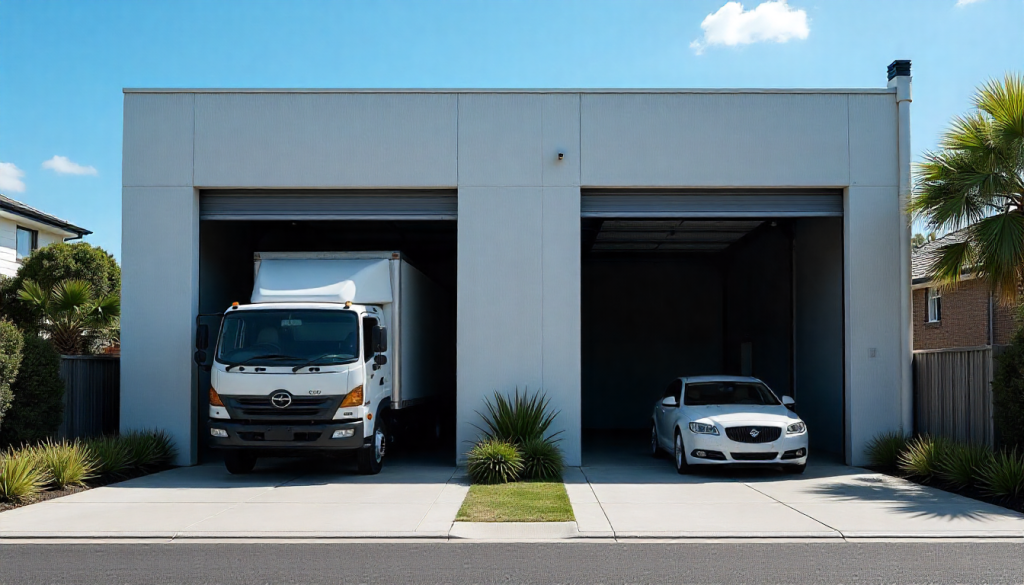
Different Components, Different Schedules
Springs tell the maintenance story clearly. Commercial springs need replacement every 3-5 years because they’re cycling constantly. We’ve replaced commercial springs that looked fine but were about to fail—you can measure the wear with proper tools.
Residential springs last 7-10 years in most homes. Some homeowners go 15 years without spring replacement if their door sees light use. We don’t recommend pushing it that long, but it happens.
Rollers and hinges on commercial doors show wear patterns after 2-3 years. We replace them before they fail because commercial downtime isn’t acceptable. Residential rollers? Often last the life of the door if you keep them lubricated.
Photo-eye sensors need cleaning and alignment more frequently on commercial doors. Dust, debris, and constant use knock these sensors out of alignment. A misaligned sensor means the door won’t close properly—major problem during business hours.
Weather seals take a beating on both types in our coastal environment, but commercial seals wear faster simply because the door opens more. We check commercial seals quarterly and replace them annually or more often if needed. Residential seals typically last 3-5 years.
Track systems on commercial doors need professional alignment checks every 6 months. Residential tracks? Annual inspection catches most issues before they become problems.
Preventing Problems Before They Cost You
Commercial properties that maintain quarterly service schedules experience 45% fewer emergency repairs according to industry data. That’s not a small difference—that’s the difference between planned maintenance and unexpected downtime.
The math works even better when you factor in emergency repair costs:
Average emergency repair costs:
- Commercial: $800-$2,500 depending on the problem and time of day
- Residential: $300-$800 for most common failures
Preventative maintenance costs:
- Commercial quarterly service: $200-$400 per visit ($800-$1,600 annually)
- Residential annual service: $150-$250
For commercial properties, quarterly maintenance literally pays for itself by preventing just one emergency repair annually.
We prevented a major failure at a Kirrawee commercial property last year during a routine inspection. The springs were showing micro-fractures that would have failed within weeks. Replacing them during scheduled maintenance cost $600. Emergency replacement during business hours? Would have been $1,500 plus whatever downtime cost them.
Residential cost-benefit analysis is less dramatic but still favors preventative maintenance. Most emergency residential repairs happen at the worst times—early morning when you’re trying to leave for work, or late evening when you’re coming home. Pay $200 annually for maintenance or risk a $500+ emergency repair when you least expect it.
Service agreements make sense for commercial properties. Lock in maintenance pricing, get priority emergency service, and document everything for insurance and compliance. Most commercial clients save 15-20% on total annual maintenance costs through service agreements.
What You Can Handle, What Needs Professionals
Commercial property managers can handle some tasks in-house:
- Daily visual inspections
- Basic cleaning
- Testing safety features
- Reporting unusual sounds or operation
But anything involving adjustment, repair, or component replacement? That needs licensed professionals. Liability concerns alone make DIY commercial repairs a bad idea.
Safe residential DIY maintenance includes:
- Visual inspections
- Cleaning tracks and door surfaces
- Lubricating hinges, rollers, and tracks with proper lubricant
- Testing safety sensor alignment
- Checking weather seals
What homeowners should NEVER attempt:
- Spring adjustment or replacement—springs store deadly amounts of tension
- Cable repair—same danger as springs
- Track alignment—getting this wrong causes expensive damage
- Electrical work on openers—safety hazard and code violation
When to call professionals for both applications? Anytime something doesn’t look, sound, or operate right. That grinding noise? That’s not normal. Door seems heavy or unbalanced? Don’t wait until it fails completely. Weird clicking sound? Better to pay for an inspection than an emergency repair.
| Maintenance Task | Commercial Frequency | Residential Frequency | DIY Safe? |
| Visual Inspection | Daily/Weekly | Monthly | Yes |
| Lubrication | Monthly | Semi-Annual | Yes (Residential) |
| Safety Testing | Weekly | Monthly | Yes |
| Professional Service | Quarterly | Annual | No |
| Spring Replacement | 3-5 years | 7-10 years | Never |
| Roller Replacement | 2-4 years | 8-12 years | No |
| Seal Replacement | 1-2 years | 3-5 years | Yes (Residential) |
| Track Alignment | As needed | As needed | Never |
Making the Right Choice for Your Sutherland Shire Property
You’ve got all the facts now. Commercial vs residential garage doors aren’t interchangeable, and trying to force the wrong type onto your property costs you money and creates headaches.
Commercial garage doors deliver superior durability, advanced security features, and compliance with stringent safety standards—absolutely needed for businesses throughout Sutherland Shire’s industrial and retail districts. These doors handle the constant cycling, environmental exposure, and security demands that business operations require.
Residential doors prioritize aesthetic appeal, energy efficiency, and cost-effectiveness for family homes across Cronulla, Miranda, and surrounding suburbs. They’re built for different usage patterns and deliver exactly what homeowners need without paying for features they’ll never use.
Whether you’re securing a warehouse in Kirrawee or upgrading your family home in Gymea, choosing the appropriate door type means optimal performance, longevity, and return on investment. Get this decision right and you won’t think about your garage door again for years—it’ll just work.
Get it wrong? You’ll be calling for repairs, dealing with premature failures, and eventually replacing the door years before you should have needed to.
Ready to Choose the Perfect Garage Door for Your Property?
Garage Doors Experts Sutherland Shire provides expert guidance for both commercial and residential applications. Our team will assess your specific requirements and recommend the ideal solution—not the most expensive option, but the right option for your needs.
We’ve installed hundreds of doors throughout the Shire. We know the local conditions, the council requirements, and exactly what works in our coastal environment. Whether you need a commercial door that operates flawlessly through 10,000 cycles per year or a residential door that complements your home’s aesthetic while providing reliable security, we’ve got the experience and expertise.
🏠 Servicing all Sutherland Shire suburbs including Cronulla, Miranda, Caringbah, Gymea, Kirrawee, and beyond
Why Garage Doors Experts Sutherland Shire?
We’re not just another garage door company. We’re your neighbors. We’ve been serving Sutherland Shire for years, and our reputation is built on honest assessments, quality installations, and reliable service.
Our credentials include:
- Fully licensed and insured for both commercial and residential work
- Certified installers trained on all major brands
- Authorized dealer for leading manufacturers including B&D Doors, Merlin, and more
- Emergency service response throughout Sutherland Shire
- Comprehensive warranties on all installations
- Preventative maintenance programs that save you money