
You know that sound – the one that makes you wince every time you hit the garage door button? That grinding, squealing noise that’s gotten progressively worse over the past few months? Yeah, I’ve been there too. My garage door sounded like a chain-smoking robot having a bad day, and I kept putting off doing anything about it because, honestly, who thinks about garage door maintenance until something goes wrong?
Here’s the thing though – I learned the hard way that waiting until your garage door sounds like it’s auditioning for a horror movie is exactly the wrong approach. Living here in Gymea, with the salt air and coastal weather, our garage doors cop a beating. And ignoring regular maintenance? That’s basically like throwing money away and inviting a breakdown when you’re running late for work.
So let’s talk about what actually needs doing to keep your garage door running smooth and quiet – starting with that lubrication question everyone asks.
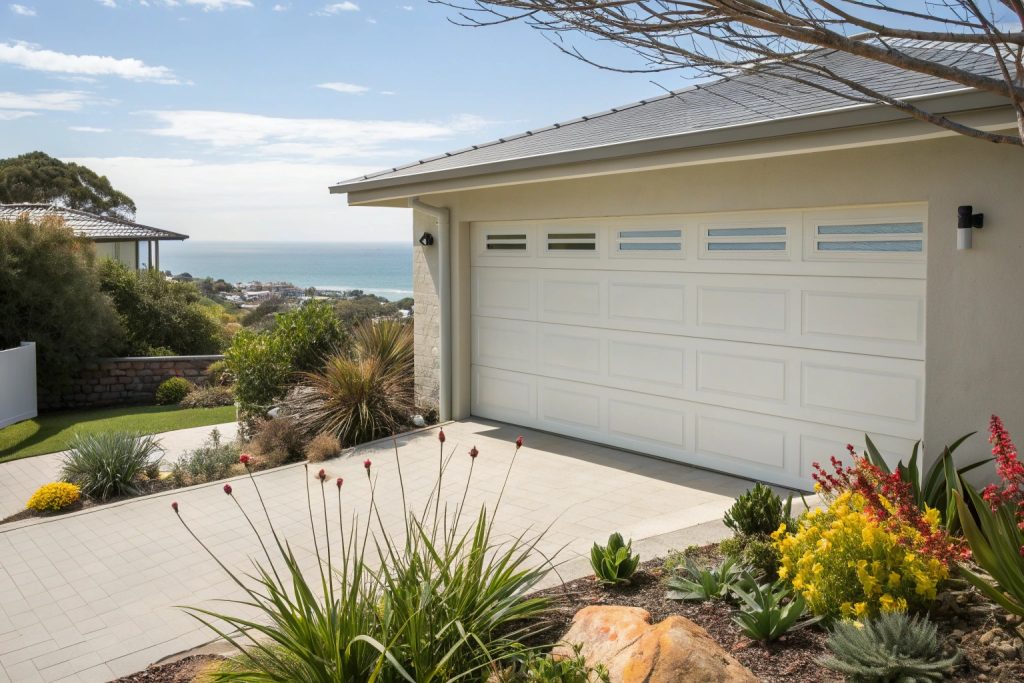
Essential Garage Door Maintenance Tasks for Gymea Homes
Your garage door is probably the hardest-working part of your house. Think about it – how many times do you use it every single day? Most Gymea families are opening and closing their garage doors at least four times daily, sometimes more. That’s over 1,500 operations a year, and every single one of those cycles puts wear on the moving parts.
The Must-Do Maintenance Tasks:
- Visual inspections – Yeah, I know this sounds boring, but give your door a proper look-over every month. Check for worn rollers, frayed cables, loose hardware. Spotting problems early saves you from expensive emergency repairs down the track.
- Listen to your door – If it’s making new noises or struggling more than usual, something’s changed. Don’t ignore it.
- Test the balance – Disconnect the opener and manually lift the door halfway. If it doesn’t stay put, the spring tension’s off and needs professional adjustment.
- Clean the tracks – Use a damp cloth to wipe out dirt and debris. Don’t use harsh solvents though – they can damage the track finish.
- Check the weatherstripping – That rubber seal at the bottom takes a beating from our weather. Replace it when it gets cracked or brittle.
- Tighten hardware – Vibration loosens bolts and screws over time. Go around with a socket wrench every few months and snug everything up.
The tracks need to be kept clear but you don’t want to lubricate them – that’s actually a common mistake that causes more problems than it solves.
Lubrication Schedule for Coastal Environments
Alright, let’s get to the meat of it – how often should you actually be lubricating your garage door? The answer depends on where you live, and spoiler alert: if you’re in Gymea, you need to do it more often than the standard recommendations.
Standard recommendation: Every 3-6 months for most homes
Gymea reality: Every 2-3 months minimum
Why the difference? Salt air. That lovely ocean breeze we enjoy? It’s absolute murder on metal components. Scientific research shows that coastal environments accelerate metal corrosion significantly, which is why homes near the water need more frequent maintenance.The salt accelerates corrosion and breaks down lubricants faster than you’d see in western Sydney suburbs. I’ve seen garage door springs that should last 10,000 cycles give up after 5,000 just because they weren’t properly maintained in coastal conditions.
What actually needs lubrication:
- Hinges (all of them – don’t skip any)
- Roller bearings (if you’ve got metal rollers)
- Springs (both torsion springs above the door and extension springs on the sides)
- Lock mechanism
- Top of the chain or screw drive on your opener
What you should never lubricate:
- The tracks themselves
- Nylon rollers
- Belt drive openers
Use a proper garage door lubricant or white lithium grease. WD-40 isn’t a lubricant – it’s a solvent. It’ll actually strip away existing lubricant and attract dirt. Don’t use it.
When you’re doing the lubrication, don’t go crazy with it. You want a light coating, not dripping pools of grease. Too much just collects dust and gunk, which defeats the whole purpose.
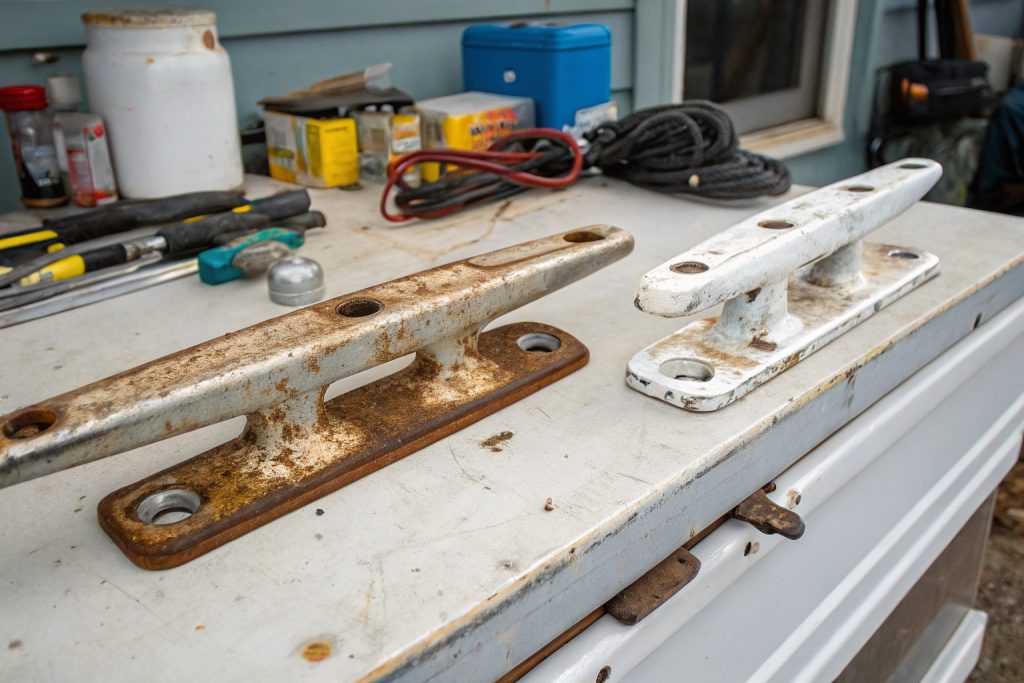
DIY Maintenance vs Professional Service
Look, I’m all for doing stuff yourself when it makes sense. I’ll change my own oil, fix a leaky tap, even retile a bathroom if I’m feeling ambitious. But garage doors? There’s a line between sensible DIY and potentially dangerous situations.
Safe DIY tasks:
- Monthly visual inspections
- Cleaning tracks and surfaces
- Lubricating moving parts
- Tightening accessible hardware
- Testing door balance and auto-reverse
- Replacing weatherstripping
- Changing remote batteries
Leave these to the professionals:
- Anything involving springs (torsion springs are under massive tension and can literally kill you)
- Cable replacement
- Track alignment or replacement
- Opener installation or major repairs
- Door balance adjustment
I had a mate who thought he could replace a torsion spring himself after watching a YouTube video. The spring slipped, smashed into his shoulder, and he ended up in Sutherland Hospital with a broken collarbone. These springs can hold 200+ pounds of tension. It’s just not worth the risk.
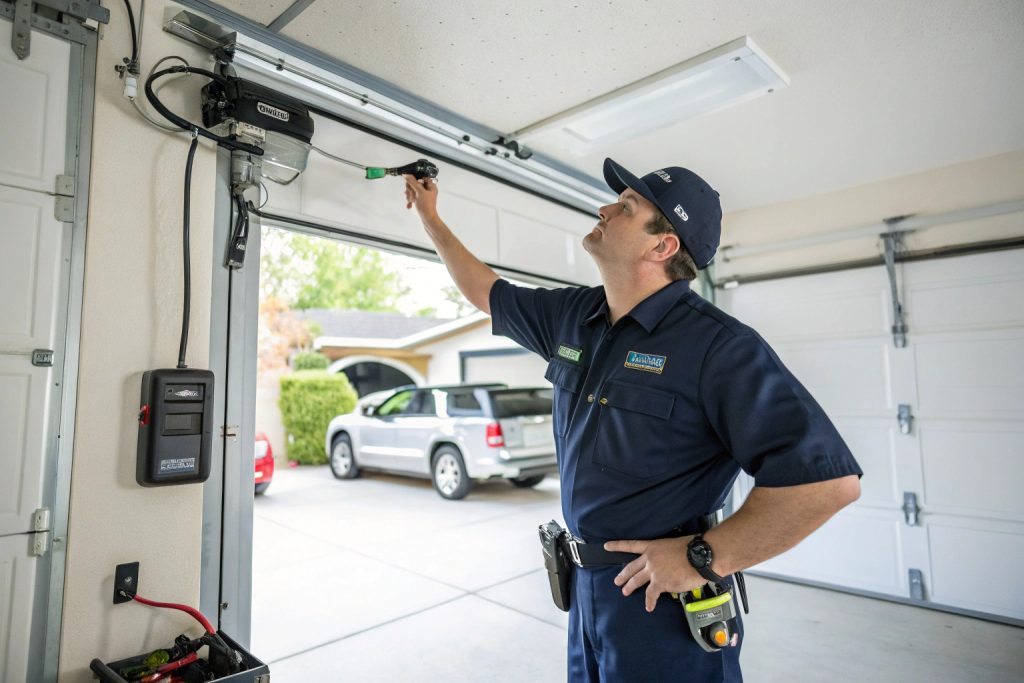
Australian safety standards require specific qualifications for garage door spring work, and licensed professionals must meet strict guidelines. A professional service typically costs $150-250 for a comprehensive check and tune-up. That’s cheap insurance against a $600+ emergency repair or a trip to the emergency room.
Seasonal Maintenance Tips for Sutherland Shire
Living in the Shire means we’ve got weather patterns that affect garage doors differently throughout the year.
Summer (December-February):
- Increase lubrication frequency – heat makes lubricants evaporate faster
- Check weatherstripping more often – heat makes rubber brittle
- Watch for rust spots developing from summer humidity
- Test your door during the heat of the day when metal expansion is at its peak
Autumn (March-May):
- Perfect time for a full professional service before winter
- Clean out leaves and debris that accumulated over summer
- Check and tighten all hardware after summer expansion/contraction cycles
Winter (June-August):
- Monitor for condensation buildup inside the garage
- Check that the door’s not freezing to the concrete floor
- Lubrication is especially critical now to prevent moisture-related friction
Spring (September-November):
- Another good time for professional servicing
- Watch for increased corrosion from spring rains
- Check door balance as temperature changes affect spring tension
- Clean and treat any rust spots before they spread
The salt air doesn’t take holidays, but it’s worse during our wetter months. If you live particularly close to the beach – anything from Gymea Bay down toward Cronulla – you might want to bump up your maintenance schedule even more.
Common Maintenance Mistakes That Shorten Door Life
Let me save you from the mistakes I’ve made or seen others make:
Using the wrong lubricant. I already mentioned WD-40, but I’ll say it again because people keep making this mistake. Get proper garage door lubricant or white lithium grease. Your door will thank you.
Ignoring weird noises. That new squeak isn’t going to fix itself. It’s your door telling you something needs attention. Listen to it before a $50 fix becomes a $500 problem.
Over-tightening hardware. Snug is good. Gorilla-tight is bad. You can strip bolts or crack brackets by going too hard.
Painting over moving parts. Yes, people actually do this. Don’t paint hinges, rollers, or springs. You’re creating friction and sealing in moisture.
Ignoring the photoelectric sensors. Those little eyes at the bottom that make your door reverse? Test them monthly. They save kids and pets from getting hurt.
Skipping regular service. “It’s working fine” isn’t a maintenance plan. It’s working fine right up until it isn’t.
DIY spring replacement. I said it before but it bears repeating – don’t mess with springs unless you’re trained. Just don’t.
Using the door as a ladder. Climbing on your garage door bends panels and throws off balance. Use an actual ladder.
The reality is that proper garage door maintenance Gymea homes need isn’t complicated or time-consuming. Fifteen minutes every couple months for lubrication, plus keeping an eye on how the door’s operating, will prevent most problems. And getting a professional service once or twice a year? That’s the difference between a garage door that lasts 15+ years and one that needs replacing after 7.
Ready to get your garage door running like new? The team at Garage Doors Experts Sutherland Shire has been keeping Gymea garage doors operating smoothly for 15 years. We know exactly how coastal conditions affect your door, and we’ll set up a maintenance schedule that actually works for Sutherland Shire homes. Call us on 0291000853 or book your service online – we’ll have your door whisper-quiet and reliable again in no time.