
It’s 6:30 on a Monday morning. You’re already running ten minutes behind, the kids are arguing in the backseat, and now your garage door’s making that grinding sound again before it completely gives up. The motor’s humming but nothing’s moving. You’re stuck.
If you live anywhere near the water in Cronulla, this probably sounds way too familiar. See, the thing about coastal living is – yeah, the beach views are great, but that salty air? It’s basically eating your garage door components for breakfast. Every single day.
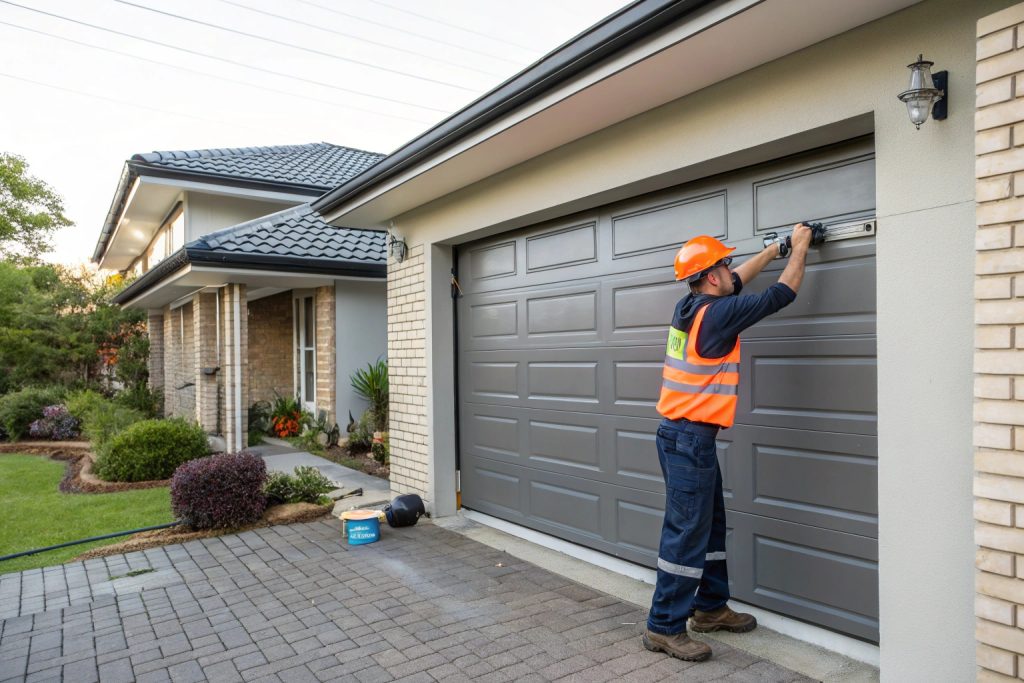
Here’s what most people don’t realize: nearly three quarters of the garage door problems we see around Cronulla, Gymea and Caringbah could’ve been avoided. That’s right – all that frustration, all those emergency callout fees, most of it’s preventable if you know what you’re looking at.
This guide’s gonna walk you through exactly what goes wrong with electric garage doors in our coastal conditions, how to spot problems before they leave you stranded, and which fixes you can actually handle yourself versus when you really need to get someone out. We’re talking real solutions for real Cronulla conditions – not generic advice that works great in Penrith but falls apart the moment that afternoon sea breeze kicks in.
Why Electric Garage Doors Stop Working in Cronulla
Electric garage doors in Cronulla commonly fail because of these reasons:
- Salt corrosion eating away at metal components and electrical connections
- Power surges during coastal storms that fry opener circuits
- Sensor misalignment from all that sand and salt buildup
- Remote control problems caused by moisture damage
- Motor strain from humidity-induced rust making everything work harder
- Spring fatigue that happens faster with our temperature swings
- Track blockages from wind-blown debris and sand
Each one of these needs different troubleshooting steps, but here’s the good news – most of them? Totally preventable with the right maintenance routine for coastal properties.
The Top 5 Causes of Electric Garage Door Failures in Coastal Cronulla
1. Salt Corrosion: The Silent Killer of Garage Door Electronics
You know that white crusty stuff you see on your door hinges? That’s salt doing its thing. And it’s not just sitting there looking ugly – it’s actively corroding every metal component it touches.
The salt air we get here doesn’t just coat the outside parts either. It actually gets sucked into the motor housing when it runs, settles on circuit boards, eats through wire insulation. Give it enough time and your whole system’s basically running on borrowed time.
Check your springs first – they’ll show green corrosion spots before anything else. Then look at your rollers and hinges. If you’re seeing white residue or any green buildup, you’ve got active corrosion happening.
Here’s what actually works for cleaning: mix up some bicarb soda with water, make it into a paste, and scrub that salt off. Then rinse with fresh water – not your hose on full blast though, just a gentle rinse. Dry everything properly and hit it with some white lithium grease or a silicone spray. The cheap WD-40 from Bunnings? Skip it. Doesn’t last long enough in our conditions.
2. Power Surges During Cronulla’s Coastal Storms
Remember that massive storm we had last September? We had forty-three callouts the next morning just from surge-damaged openers. Forty-three. In one morning.
When those coastal storms roll through, the power doesn’t just go out – it flickers, surges, drops, surges again. Your garage door opener’s basically getting electrocuted over and over. The motor controller boards aren’t built for that kind of abuse.
You’ll know you’ve got surge damage when the motor hums but won’t actually lift the door, or when your remotes work sometimes but not others, or the lights on the opener flash in weird patterns. Sometimes the whole thing just dies completely.
Get yourself a proper surge protector – and I’m not talking about those $20 power boards. You want something rated for motors, something that can handle at least 2,000 joules. Install it at the power point, not inside the opener unit. Costs about $80 but it’s way cheaper than a new opener.
3. Sensor Misalignment from Beach Environmental Factors
Those little photo eyes at the bottom of your door? They’re trying to talk to each other through a fog of salt spray and sand particles. No wonder they get confused.
Every time that easterly wind picks up, it’s blowing microscopic sand particles and salt crystals right onto those sensor lenses. Build up enough of that gunk and the sensors can’t see each other anymore. Door won’t close, or it closes halfway then pops back up.
Testing them’s easy enough – grab a torch and shine it from one sensor to the other at night. If you can see the beam clearly, they can probably see each other. If it looks foggy or dim, you’ve got buildup.
Clean them with a soft cloth and some metho. Don’t use paper towels – too scratchy. And definitely don’t use your shirt while you’re wearing it (yeah, we’ve all done it). While you’re at it, check they’re actually pointing at each other. Even a few millimetres off and they won’t work properly.
4. Remote Control and Wireless Issues
The humidity here absolutely murders remote controls. The moisture gets inside, corrodes the battery contacts, messes with the circuit board. Then you’re standing in your driveway clicking away like an idiot while your neighbours watch.
First thing – check your batteries. But here’s the thing: even new batteries won’t help if the contacts are corroded. Pop the remote open, look for any white or green crusty bits on the metal contacts. Clean them with a cotton bud dipped in vinegar, let it dry completely, then try new batteries.
If that doesn’t work, your remote frequency might be getting interference. All that moisture in the air actually changes how radio signals travel. Try standing closer to the door, or hold the remote up higher. Sounds stupid but it works.
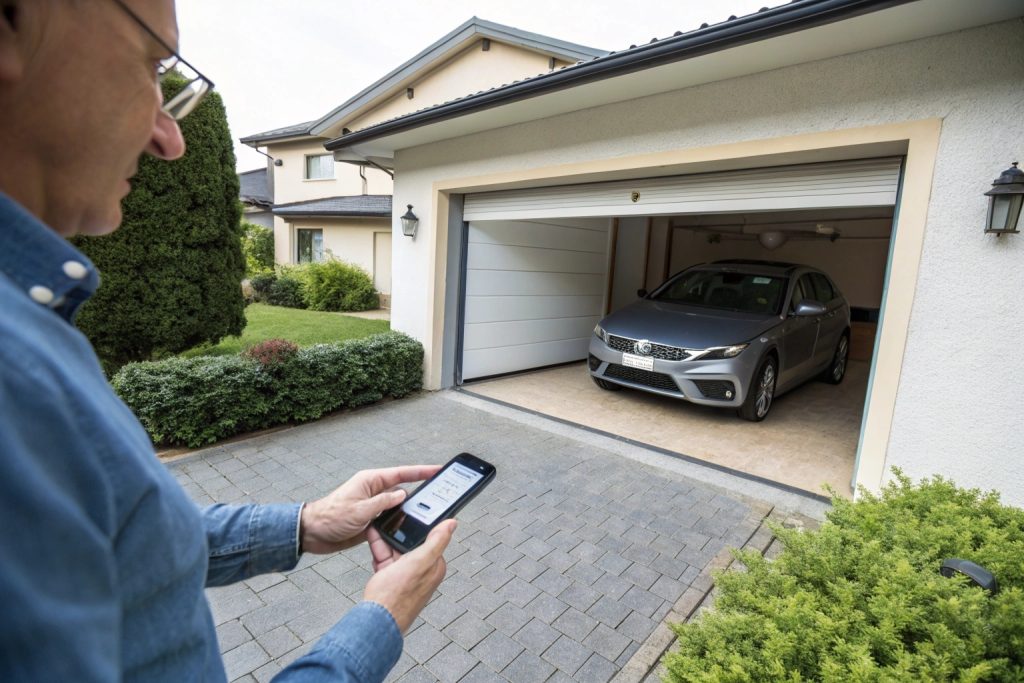
Better option? Get one of those smartphone apps that connects through your WiFi. No batteries to corrode, no frequencies to worry about. Just make sure your phone’s not dead when you need to get in.
5. Motor Burnout in Humid Conditions
Your opener motor’s working way harder than it should be. All that humidity makes the metal parts expand, the lubricants get thick and sticky, and suddenly your motor’s trying to lift a door that feels twice as heavy.
Listen for these sounds: grinding when it starts, high-pitched whining halfway up, or a burning smell after it runs. Any of those mean your motor’s struggling. Keep ignoring it and you’ll be up for a complete replacement.
The garage itself needs ventilation. Those little vents in your garage door? Don’t block them. They’re letting the humid air escape. If your garage stays closed up all day while you’re at work, all that moisture just sits there, condensing on everything metal.
Emergency Manual Operation: What Every Cronulla Homeowner Should Know
Locating Your Emergency Release
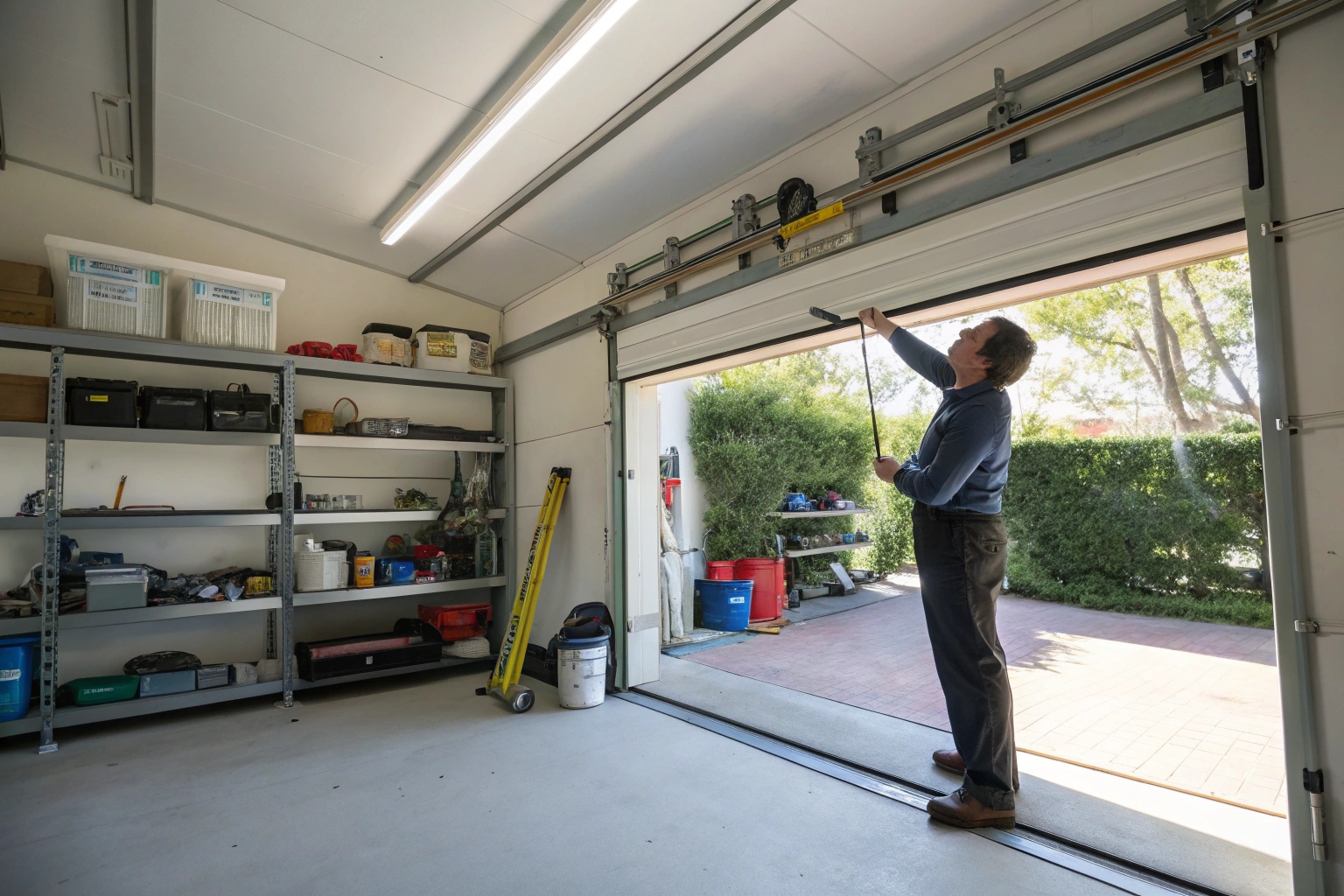
When the power’s out or your opener’s died, you need to know where that red cord is. Usually it’s hanging from the trolley that connects to your door. But here’s the thing – different brands put it in different spots.
Before you pull it, make sure the door’s fully closed. Pulling that release with the door halfway up? Good way to have it come crashing down. And those things are heavy – we’re talking 100 kilos or more for a double door.
Pull straight down, firm but not yanking. You’ll feel it release. Now you can lift the door manually. When you want to reconnect it, just run the opener and it’ll click back into place. Usually. Sometimes you need to pull the cord towards the motor then back again.
When NOT to Attempt Manual Operation
If you hear any weird creaking sounds from the springs, or if one side of the door looks lower than the other, stop. Don’t touch anything. Your springs might be broken and that door could come down like a guillotine.
Same goes if the door’s been damaged in a storm. We had a bloke in North Cronulla try to force his door open after a tree branch hit it. Whole thing collapsed, took out his windscreen. Insurance wouldn’t cover it either because he’d made it worse by forcing it.
Professional vs. DIY: Making the Right Choice for Cronulla Conditions
Safe DIY Troubleshooting Steps
Here’s what you can actually do yourself without risking injury or making things worse:
Visual checks – look for obvious damage, loose bolts, anything hanging where it shouldn’t be. Clean and lubricate the rollers and hinges monthly. Check and clean those sensors we talked about. Replace remote batteries before they die completely.
Test your safety features every month too. Put a brick under the door when it’s closing – should reverse immediately when it touches it. If it doesn’t, something’s wrong with the force settings.
When to Call Sutherland Shire Professionals
Springs are a definite no-go for DIY. They’re under massive tension and can literally take your head off if they snap. Not exaggerating – we’ve seen the aftermath.
Anything electrical beyond changing batteries needs a professional too. Your neighbour might reckon he knows about electronics, but garage door openers have specific safety requirements. Get it wrong and your insurance won’t cover the damage.
Preventative Maintenance for Coastal Properties
Monthly Maintenance Tasks
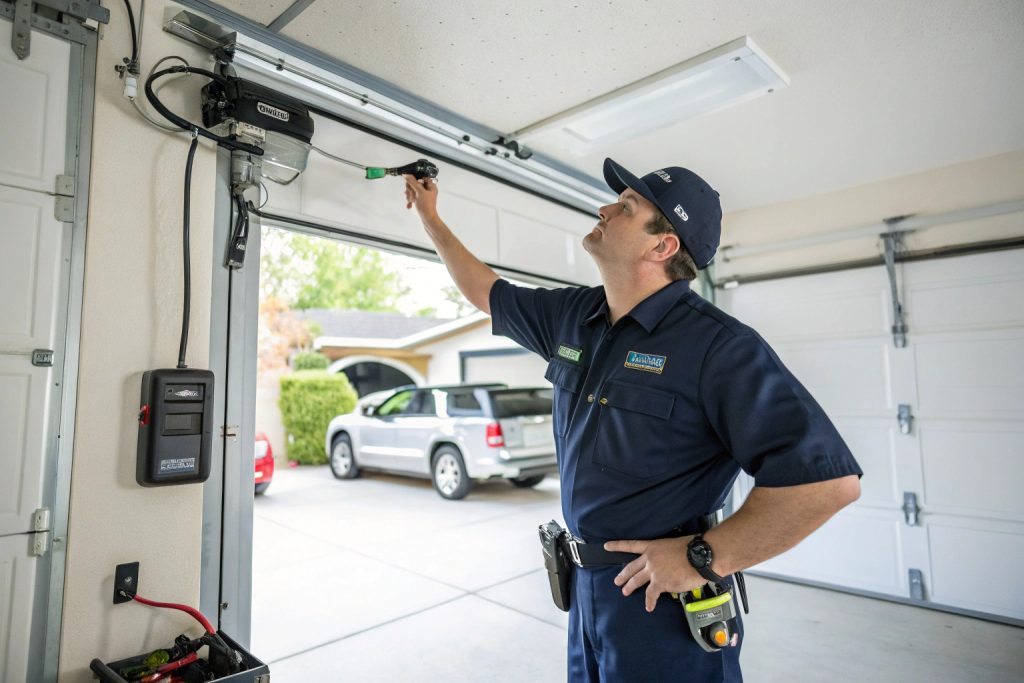
First weekend of every month, spend twenty minutes on your door. Spray all the moving parts with proper garage door lubricant. Clean those sensors. Check the weatherseals at the bottom – they cop a beating from the salt and sun.
Run the door up and down a few times, listening for any new noises. Look at how it moves – should be smooth, no jerking or hesitation. If something’s changed since last month, catch it early.
Seasonal Preparation
Before storm season hits (usually October through March), get everything checked properly. Tighten all the bolts, make sure your manual release works, test your battery backup if you’ve got one.
During summer, that intense heat makes metal expand and lubricants thin out. Might need to adjust your force settings so the motor’s not working too hard. Winter’s actually easier on the door here – less humidity, less salt in the air.
Choosing Coastal-Ready Replacement Components
Marine-Grade Materials
When something needs replacing, don’t go cheap. Marine-grade stainless steel costs more upfront but lasts three times longer in our conditions. Galvanised steel? Starts rusting within two years this close to the beach.
Same with your opener unit – get one with a sealed motor housing and coated circuit boards. They make them specifically for coastal areas now. Costs maybe 30% more but saves you replacing it every five years.
Get Your Garage Door Sorted Before Storm Season
Living this close to the beach means accepting that salt air and humidity are always gonna be working against your garage door. But now you know what to watch for, what you can fix yourself, and when you really need to call in the professionals for electric garage door failures Cronulla troubleshooting.
Don’t wait until you’re stuck in the driveway at 6:30 in the morning. A bit of prevention now saves you the hassle and expense of emergency repairs later. Your garage door doesn’t have to be the weak link in your coastal home – it just needs the right attention for Cronulla conditions.
Whether it’s setting up proper maintenance routines or getting those corroded parts replaced before they fail completely, taking action now means you won’t be that person standing in their driveway, repeatedly clicking a dead remote while the rest of the street heads off to work.